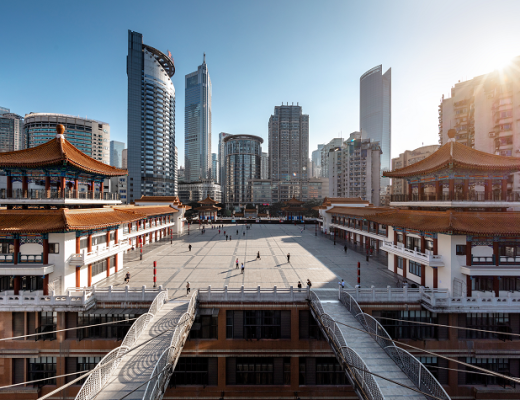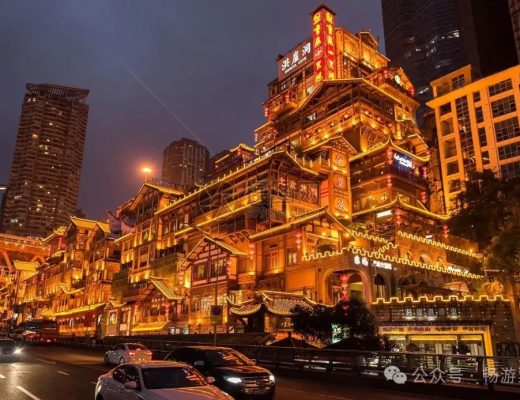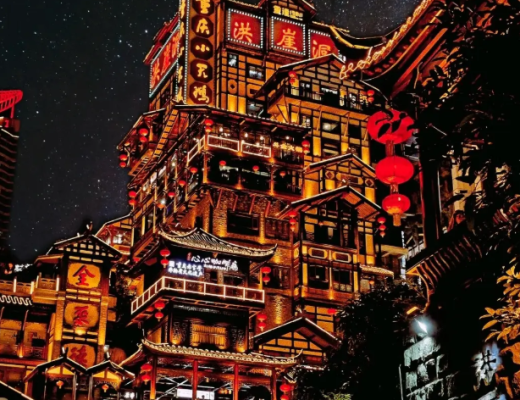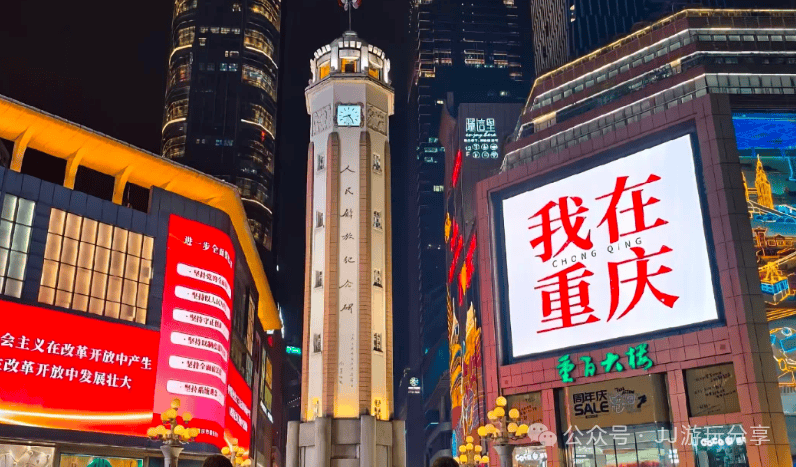
When it comes to today’s hottest “internet-famous” cities in Western China, one is Xi’an, and the other is Chongqing. Chongqing is the only municipality directly under the central government in Central and Western China and also the youngest one. It has a city-building history of more than 3,000 years. It was named “Chongqing” (meaning “double celebration”) because Emperor Guangzong of the Song Dynasty was first granted the title of Prince Gong and later ascended the throne, upgrading Gongzhou to Chongqing Prefecture to mark the two joyous events.
Further Reading:[Chongqing Travel Guide]4-Day, 3-Night Itinerary Map + Accommodations + Trip Costs + Scam Prevention Tips
In terms of ancient history, Chongqing is not as profound as Xi’an. However, as a mountain city, Chongqing is famous at home and abroad for its unique urban landscape. You may think you’re on the first floor, but you’re actually on the eleventh. The city’s 8D, multi-level layout, the confluence of the two rivers, and the light rail weaving through the city—all of this makes Chongqing’s one-of-a-kind style deeply appealing to countless visitors.
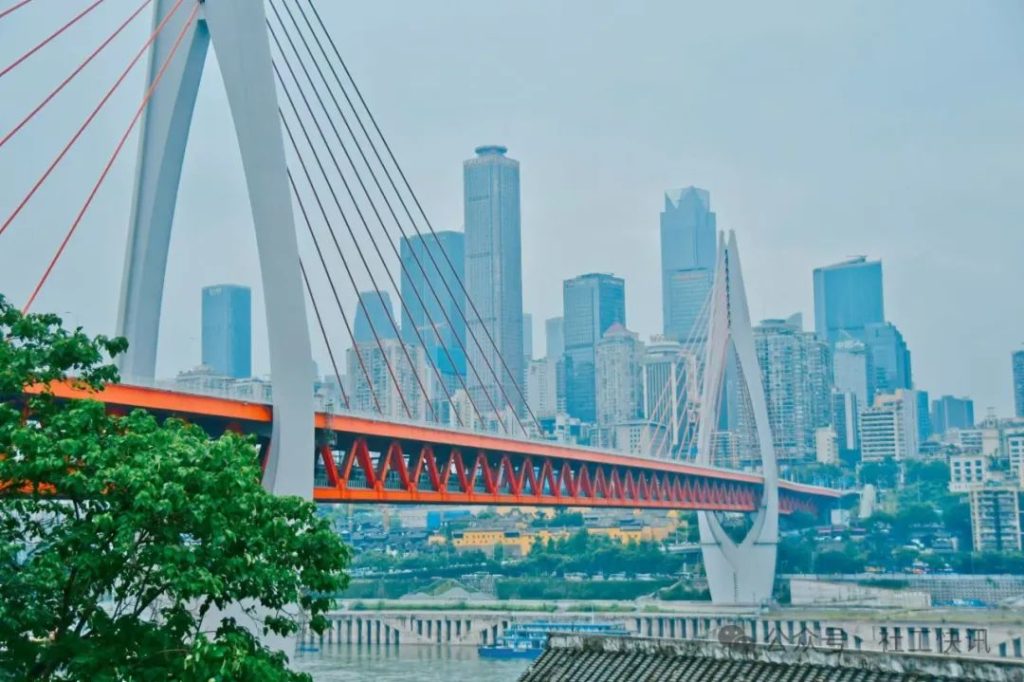
In addition to its vibrant urban appeal, Chongqing’s natural scenery is just as impressive as that of any other city. Take national 5A-level scenic areas as an example: Chongqing has 12 national 5A attractions. The Dazu Rock Carvings are even listed as a UNESCO World Cultural Heritage Site, while the Wulong Karst Tourism Area, Mount Jinfo Karst, and Wulipo in Chongqing have been included in the UNESCO World Natural Heritage list. With mountains, rivers, forests, springs, waterfalls, gorges, and caves, Chongqing truly has it all.
Today, let’s take a look together at these 12 5A scenic areas in Chongqing and experience their unique charm.
12 Hidden-Gem Attractions in Chongqing
Wulong District: Wulong Karst Tourism Area
The Wulong Karst Tourism Area is probably the most popular among all of Chongqing’s 5A attractions. During this year’s Spring Festival holiday, it ranked among the top ten most-visited 5A scenic areas nationwide and was number one in Chongqing. In fact, the Wulong Karst Tourism Area includes three major scenic spots: the Three Natural Bridges, Fairy Mountain, and Furong Cave. Any one of them alone could easily qualify as a 5A attraction, right?
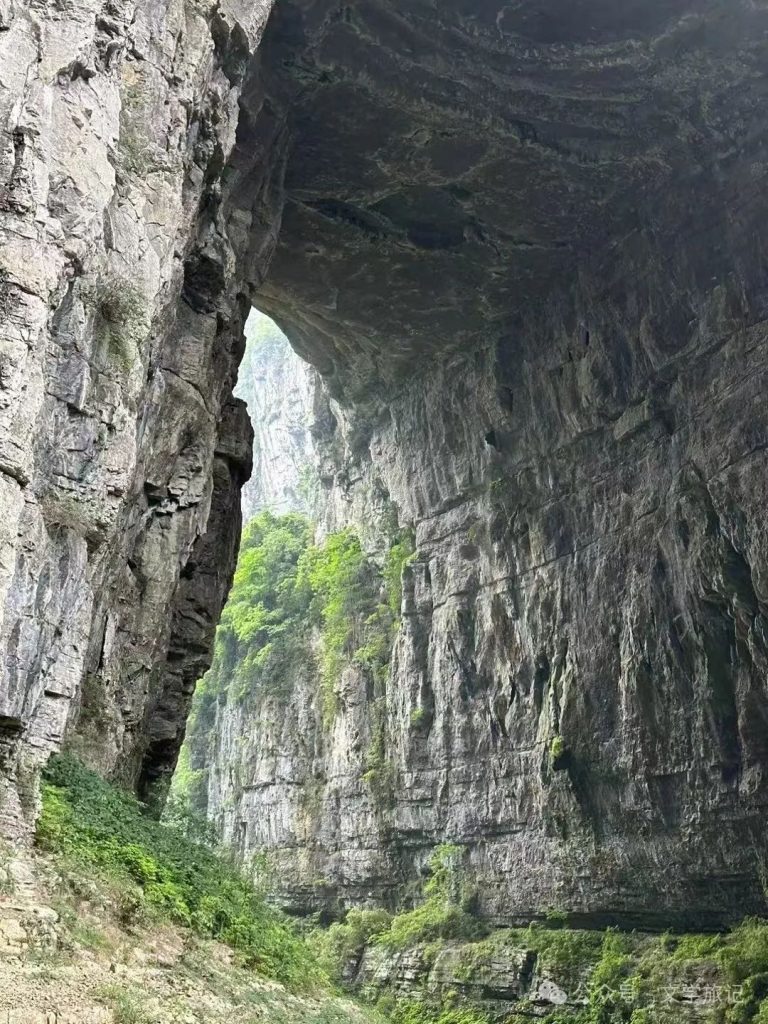
Karst caves, sinkholes, ground fissures, gorges, peak clusters, alpine meadows—no matter the season, spring, summer, fall, or winter, Wulong is always worth a visit. In summer you can escape the heat, and in winter you can enjoy the snow.
Among these sights, Furong Cave is considered the most beautiful cave in China. It stretches for 2,700 meters, and its vertical shafts form the largest cluster of such shafts discovered in China or abroad. Visitors call it “the Number One Cave Under Heaven.” Together with the Three Natural Bridges and the Houping Qingkou Tiankeng Scenic Area, it has been inscribed on the UNESCO World Natural Heritage List, becoming China’s sixth World Natural Heritage site and Chongqing’s first. It is also the only cave in China to be included as a World Natural Heritage site.
Dazu District: Dazu Rock Carvings
The Dazu Rock Carvings are Chongqing’s only UNESCO World Cultural Heritage Site. Although they are known collectively as the Dazu Rock Carvings, they actually include 141 cliffside sculpture sites. The core areas are Baodingshan, Beishan (including Duobao Pagoda), Nanshan, Shimenshan, Shizhuanshan, Miaogaoshan, and Shuchengyan. There are more than 50,000 statues in total, with themes primarily from Buddhism and secondarily from Taoism. The Dazu grotto sculptures are ranked alongside the Yungang Grottoes in Datong, Shanxi; the Longmen Grottoes in Luoyang, Henan; and the Mogao Caves in Dunhuang, Gansu.
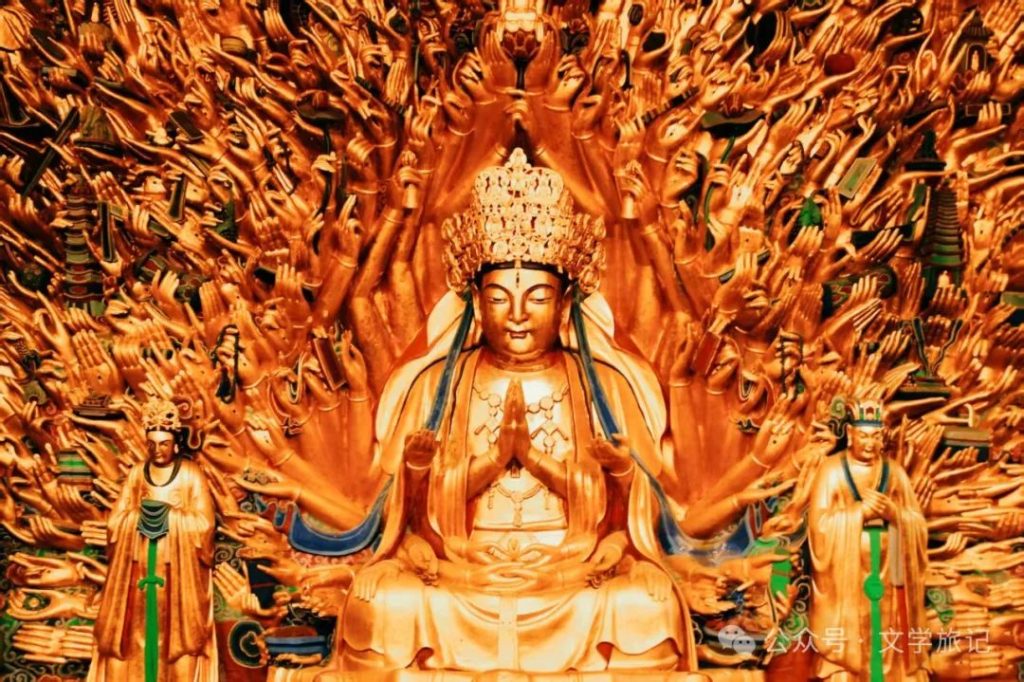
The Dazu Rock Carvings were first carved during the Yonghui era of the early Tang Dynasty. They flourished through the late Tang and Five Dynasties periods, reaching their peak during the Song dynasties. Additional carvings were added during the Ming and Qing dynasties. Renowned worldwide for their grand scale, exquisite craftsmanship, diverse themes, rich cultural significance, and remarkable preservation, these carvings stand as a testament to ancient artistry.
Wushan County: The Lesser Three Gorges
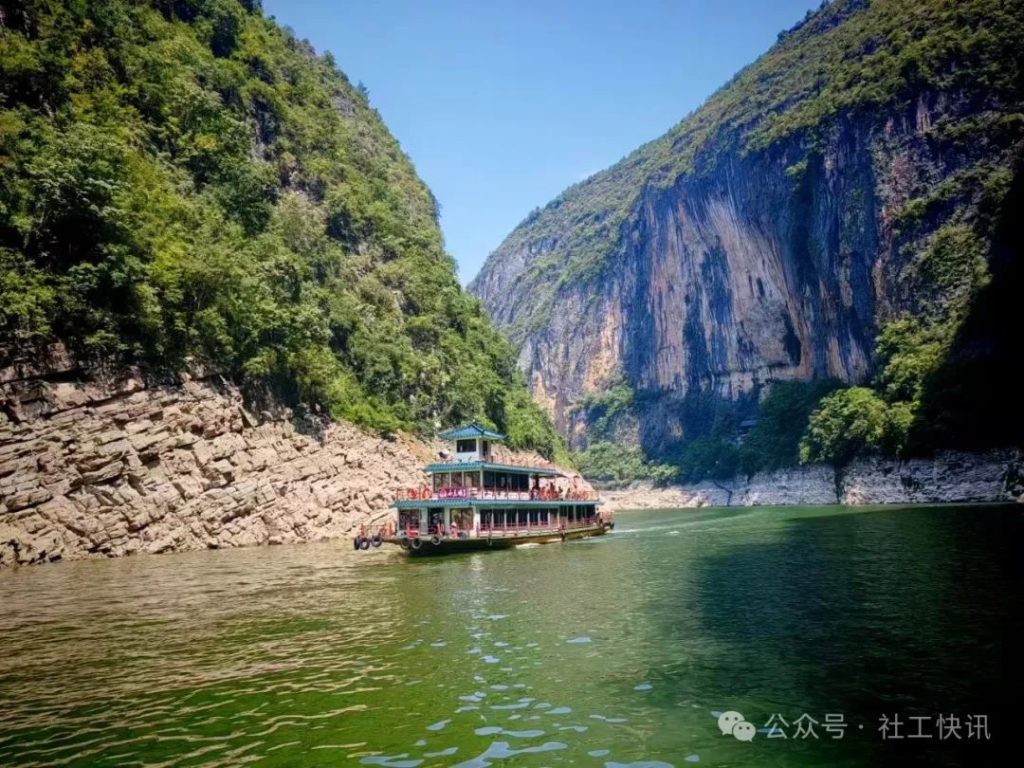
The Little Three Gorges, formally known as the Wushan Little Three Gorges · Tiny Three Gorges Scenic Area, comprises Longmen Gorge, Bawu Gorge, and Dicui Gorge. The Tiny Three Gorges, as the sister gorge to the Daning River's Three Gorges, earned its name “Tiny” due to its smaller scale. It features water gorge landscapes, peak and rock formations, cave systems, flora and fauna, cultural heritage sites, and spatial vistas. Water features include diverse elements such as rivers, springs, streams, pools, shoals, curtain waterfalls, and pebbles. Peak and rock formations encompass sheer cliffs, mountain peaks, bizarre stones, natural patterns, textures, and colors. Cave landscapes comprise numerous karst caves and underground rivers varying in development stage, size, height, and style.
Youyang County: Peach Blossom Spring
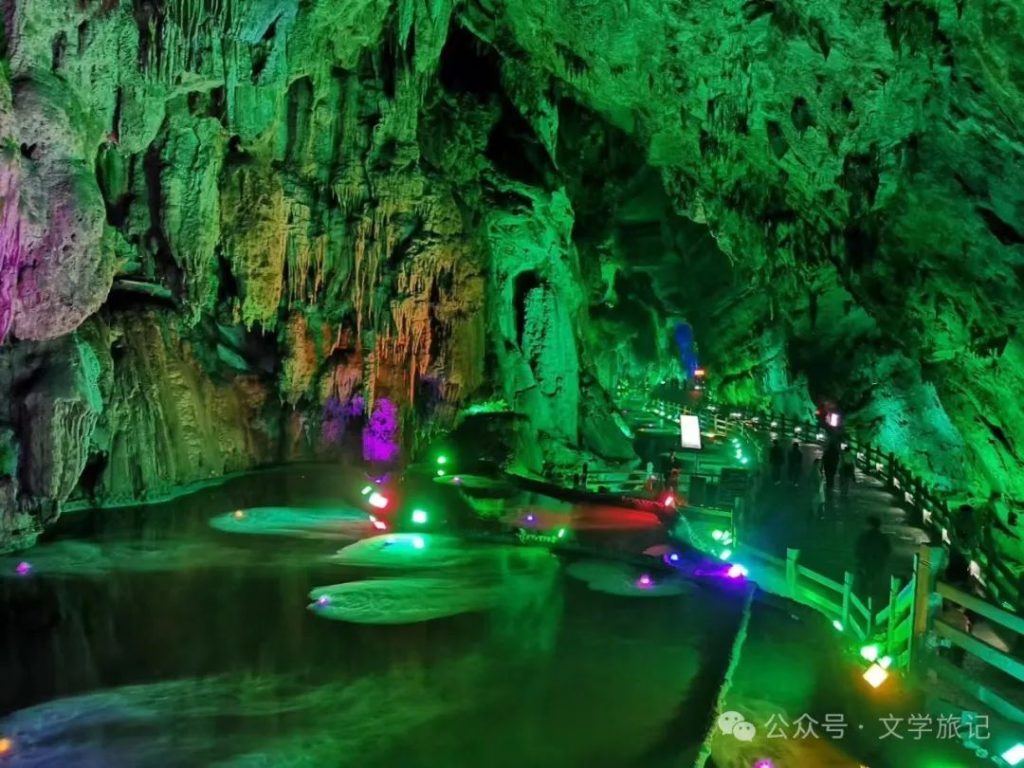
There are two Peach Blossom Springs in the world: one resides in your heart, and the other lies in Youyang, Chongqing. The Youyang Peach Blossom Spring Scenic Area comprises eight distinct sections: Ancient Peach Blossom Spring, Taigu Cave, Youzhou Ancient City, Peach Blossom Spring Forest Park, Peach Blossom Spring Plaza, Peach Blossom Spring Folk Town, Eryou Mountain Utopian Cultural Theme Park, and the Grand Peach Blossom Stage. It integrates karst geological wonders, Qin-Jin farming culture, Tujia folk customs, and natural ecological heritage, encapsulating the most pristine pastoral landscapes of China's Wuling Mountains. The site preserves the profound cultural history and vibrant ethnic traditions of the Tujia and Miao peoples.
Wansheng District: Black Valley
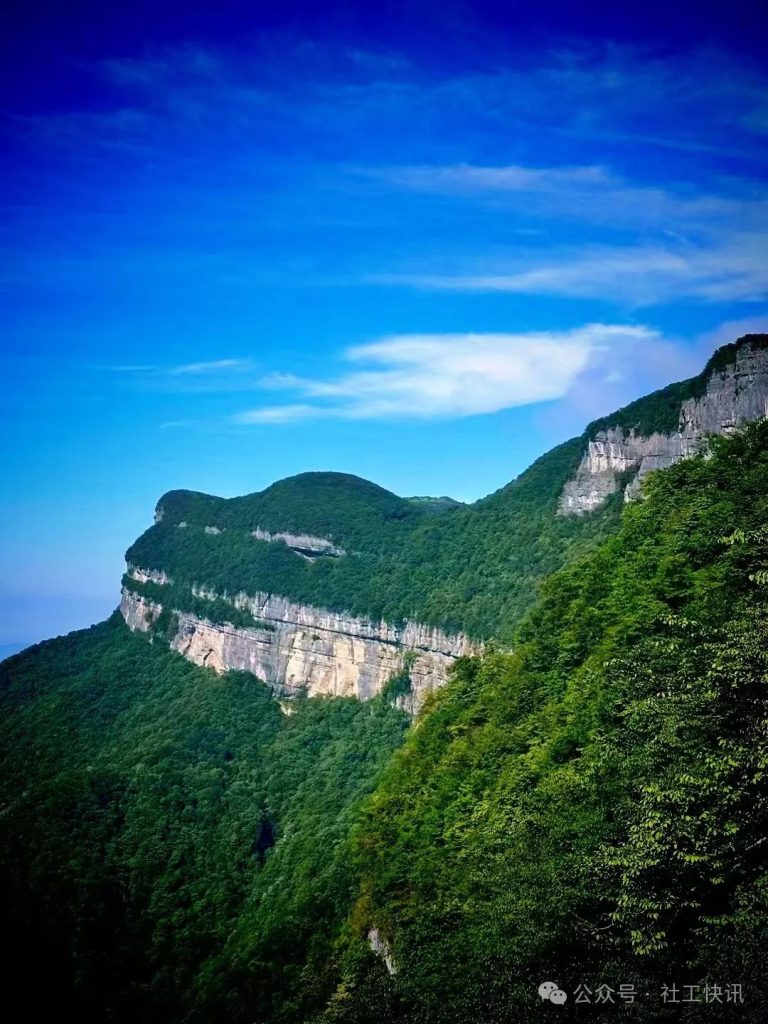
Heishan Valley has been included on the list of the “New Twelve Scenic Spots of Bayu.” It is adjacent to Jinfoshan in Nanchuan and the Baiqing Nature Reserve in Tongzi, Guizhou. The maximum elevation difference between the mountaintop and the valley floor is 1,200 meters. The area consists of two scenic zones: Heishan Valley and the Wansheng Stone Forest. It features rugged mountains, peak forests, secluded gorges, sheer cliffs, dense forests, seas of bamboo, cascading waterfalls, emerald waters, karst caves, ancient-style plank roads, floating bridges, seas of clouds, pastoral scenery, pristine vegetation, and rare flora and fauna—each with its own distinct character. Within the scenic area there are 5 gorges, 7 zones, 12 peaks, 36 bridges, 99 waterfalls, and 108 pools, bringing together the very essence of the karst landscapes of Chongqing and Guizhou. It is known as the “Jiuzhaigou of Southern Chongqing” and a “Geological Grand View Garden.”
Nanchuan District: Jinfoshan (Golden Buddha Mountain)
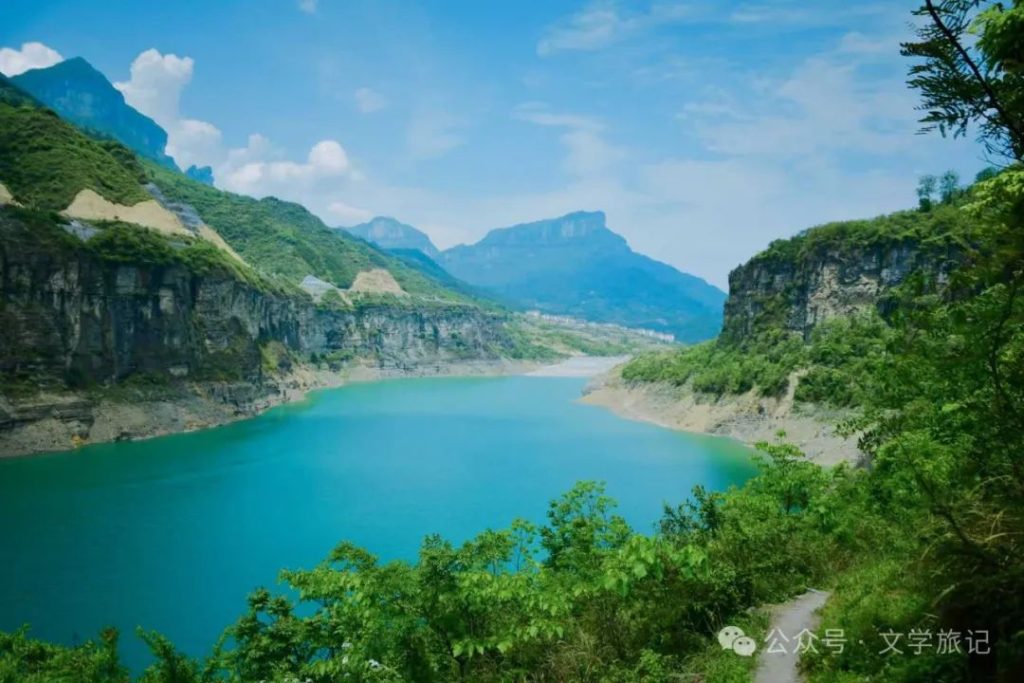
Jinfoshan is an ideal place in Chongqing to escape the summer heat and enjoy the winter snow. It is composed of three mountains—Jinfo, Baizhi, and Qingba—and is also known as Jinshan, with the ancient name Jiudi Mountain. Its main peak, Fengchuiling, is the highest peak of the Dalou Mountain Range, with an elevation of 2,238.2 meters. Jinfoshan lies near the mysterious 30° north latitude, along with Mount Everest, the Maya civilization, and the ancient Egyptian pyramids. Its main features include sheer cliffs, deep gorges, unusual peaks, karst caves, an ecological stone forest, springs and waterfalls, and seas of clouds.
Jiangjin District: Simian Mountain
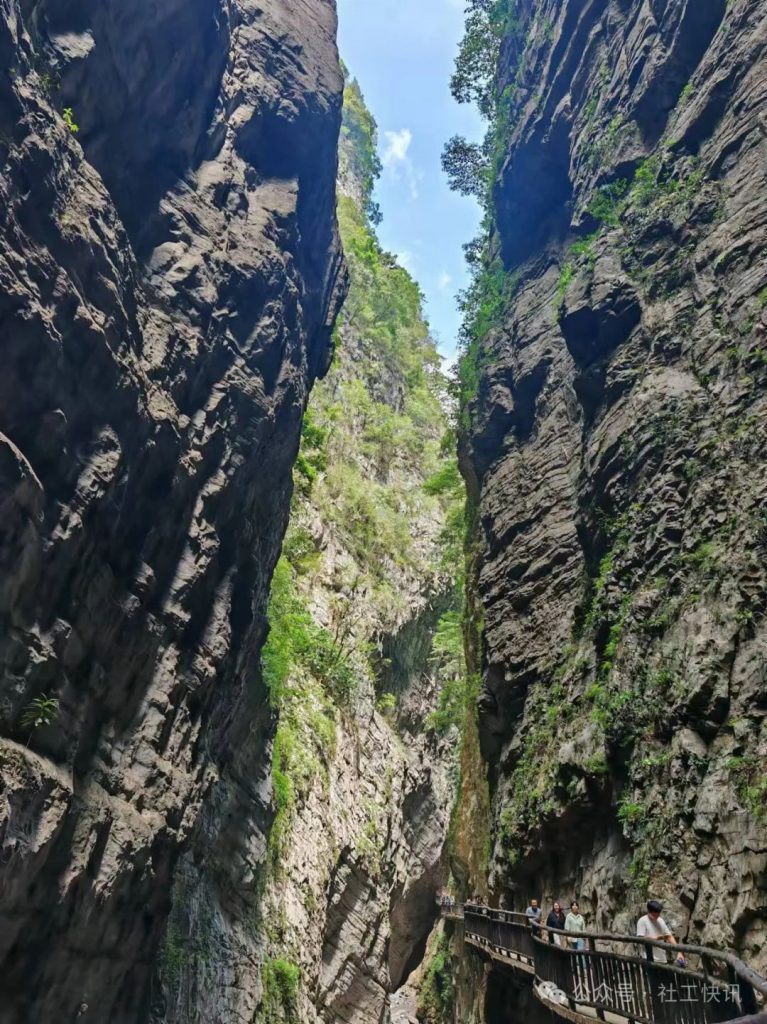
Sishan Mountain combines mountains, waters, forests, waterfalls, and rocks into one, blending seclusion, peril, grandeur, strangeness, and beauty. Its core attractions include Wangxiang Terrace, Land God Rock, Longtan Lake, Honghai, and Pearl Lake, totaling 128 scenic spots. It features four distinctive landscapes: “Strange Mountains,” “Unusual Waters,” “Red Rocks,” and “Rich Culture.” With Women's Day approaching, Shimen Mountain offers complimentary admission to female visitors from March 1st to March 15th. Male visitors celebrating their birthday on March 8th will also enjoy free entry on that day.
Yunyang County: Longgong Scenic Area
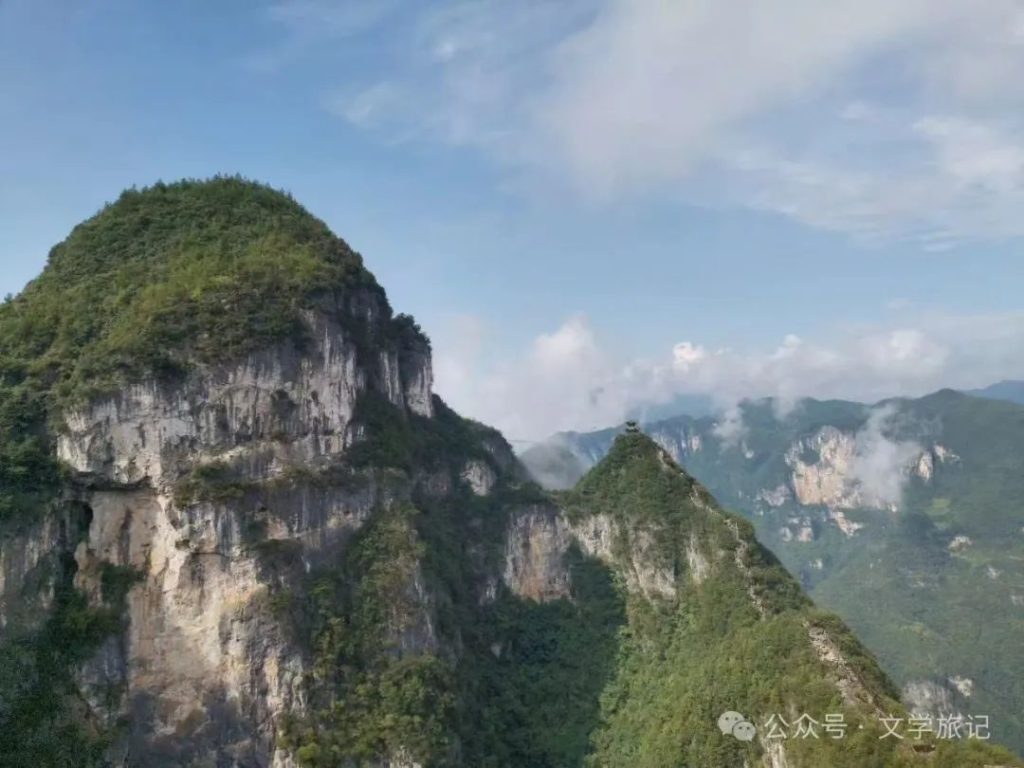
Longgong Scenic Area stands as a quintessential showcase of karst topography, featuring an intricate tapestry of sinkholes, stone pillars, peak clusters, and caves, alongside breathtaking underground rivers. Key attractions include the Longgong Sinkhole, Cloud Bridge, Cliffside Walkway, Daan Cave, Qishan Grassland, Stone Bamboo River, and Clearwater Lake. It has been honored as one of China's Top Ten Travel Destinations. Previously, traveling to Yunyang required transferring at Wanzhou via high-speed rail. Now, visitors can disembark directly at Yunyang Station, making travel to the area remarkably convenient. Beyond Longgong Scenic Area, Yunyang's Dinosaur Park and Zhang Fei Temple Scenic Area are also highly recommended.
Pengshui County: Ayi River
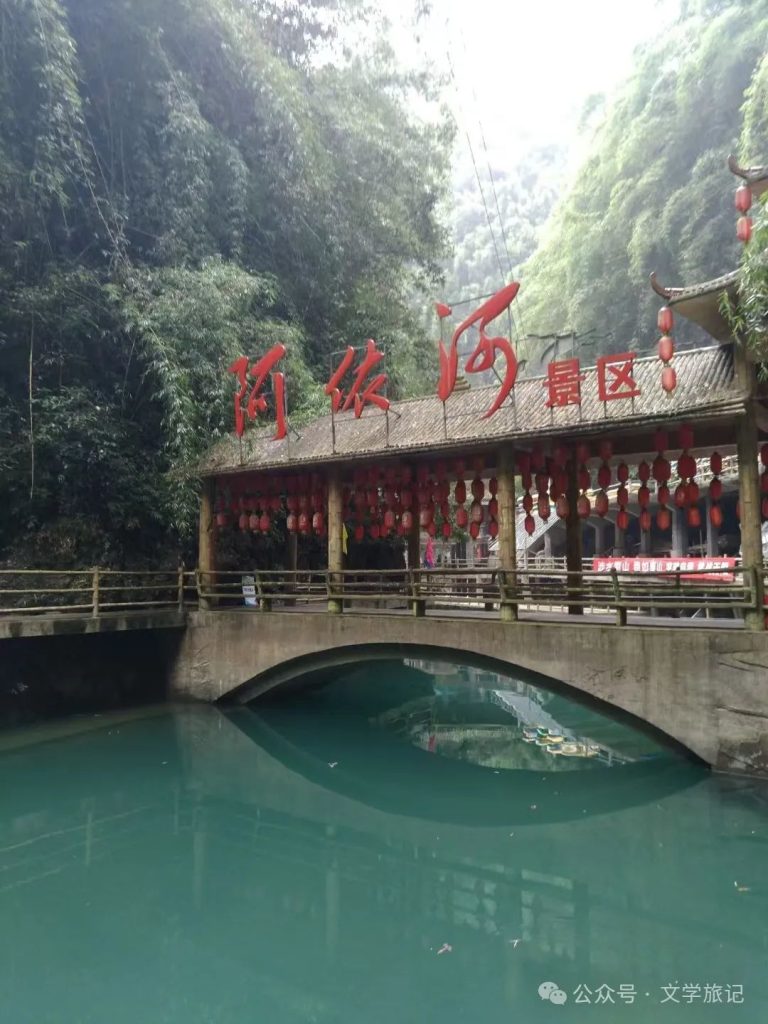
The Miao people refer to kind, beautiful, and intelligent women as “Jiao Ayi,” hence the name Ayi River. The Ayi River Scenic Area seamlessly blends mountains, water, forests, springs, and gorges, embodying grandeur, wonder, peril, beauty, and tranquility. The scenic area is divided into three sightseeing zones: the Gorge Sightseeing Zone, the Walking Tour Zone, and the Bamboo Raft Tour Zone. Highly recommended attractions include listening to the sounds of the gorge, singing songs on bamboo rafts, playing in the emerald pools, riding the waves on boats, falling in love at the Miao village, the Qinglong Stairway to Heaven, Qinglong Cave, and Qinglong Valley. However, Pengshui currently lacks high-speed rail access, making transportation relatively inconvenient.
Qianjiang District: Zhuoshui Scenic Area
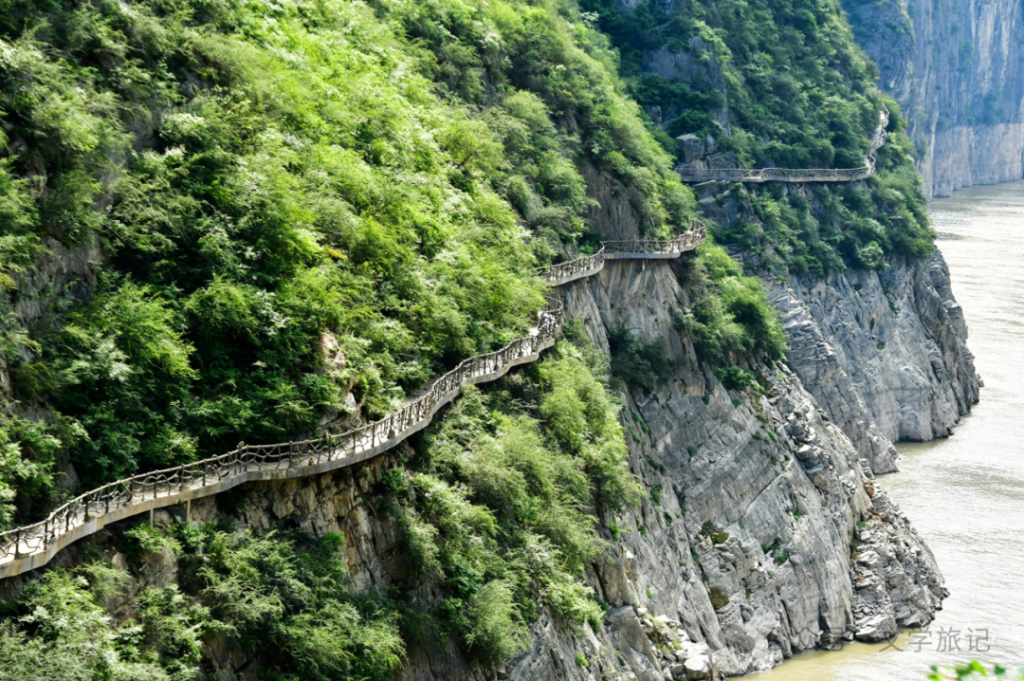
Zhuoshui Scenic Area connects Guozhuoshui Ancient Town, Puhua Underground River, and Puhua Leisure Agricultural Experience Park. Key attractions within the area include the White Tiger Sculpture, Water Army City Gate, Moral Virtue Stele, Stone Archway, Red Cavern, Heaven's Eye, and the naturally formed Three Bridges of the Underground River. Located along the Apeng River—the largest tributary of the Wujiang River—it forms a vital part of the Apeng River National Wetland Park. The Yuhuang Railway, Baomo Expressway, and National Highway 319 traverse the area, ensuring convenient access. When visiting Qianjiang District, be sure to sample the local specialty chicken offal dishes—delicious and affordable.
Fengjie County: Baidi City · Qutang Gorge Scenic Area
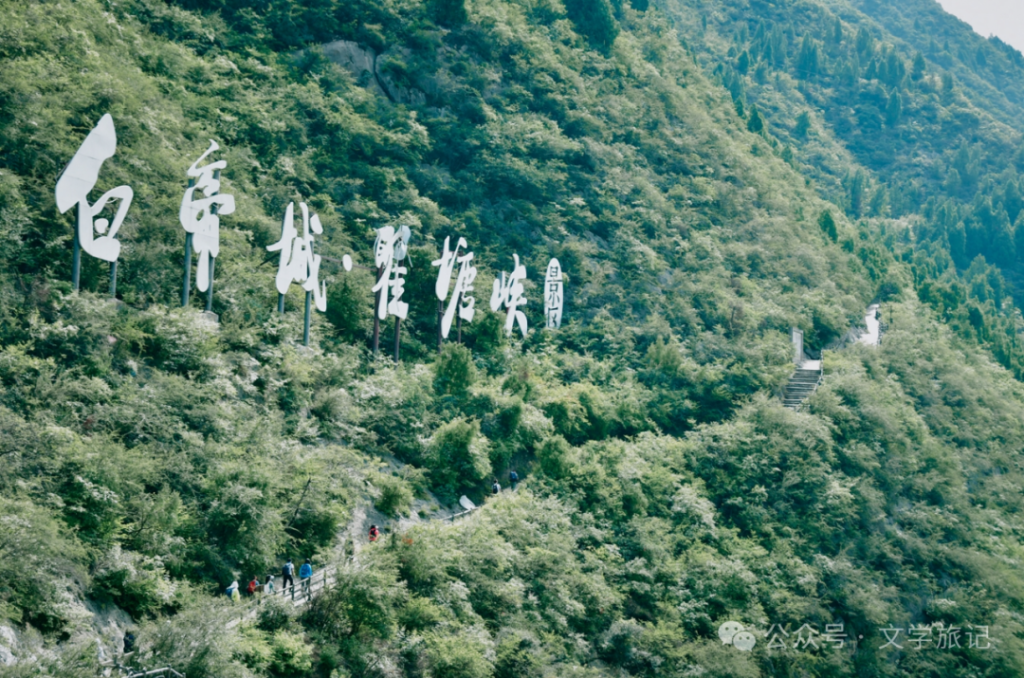
Among Chongqing's 12 national 5A-rated scenic areas, the White Emperor City Scenic Area in Fengjie is one I highly recommend and should rank among the top. Located at the western entrance of the Yangtze River Gorges, it overlooks Kuimen to the east, faces Baiyanshan across the river to the south, connects to Fengjie County to the west, and rests against Jigong Mountain to the north. It lies about 10 kilometers east of Fengjie County.
Comprising the White Emperor City and Qutang Gorge scenic areas, it boasts numerous historical sites, seamlessly blending natural beauty with cultural heritage, poetic charm with traces of warfare. It serves as the starting point for fully appreciating the majestic splendor of the Three Gorges. Additionally, Kui Gate is featured on the reverse side of the 10-yuan banknote. If time permits, hiking from Baidi City to the summit of the Three Gorges offers even more breathtaking scenery, especially during autumn and winter when the mountains are blanketed in crimson foliage—truly a sight to behold.
Fuling District: Wuling Mountain Grand Canyon
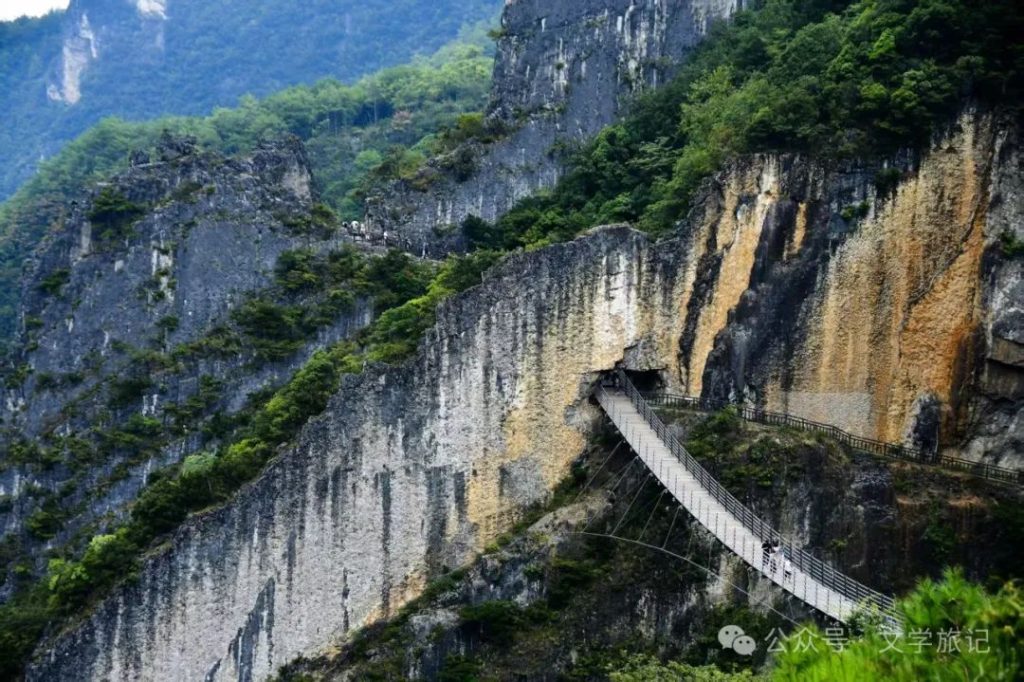
Wuling Mountain Grand Canyon is considered Chongqing's newest national 5A-rated scenic area. This designation stems from its recent upgrade to 5A status, though it boasts distinctive features. The area comprises numerous sheer cliffs, towering peaks, and fissures, serving as a quintessential example of southern karst topography. It integrates mountains, forests, springs, caves, waterfalls, lakes, pools, gorges, sinkholes, and crevices into one landscape. Its tourism resources are abundant. The Ten-Mile Grand Canyon is vast and majestic, with stacked oddly shaped rocks at its base and murmuring streams flowing through. Natural cliffs stretch for miles, featuring famous landmarks like Copper Wall Iron Barrier, Buddha's Palm, General Stone, and the Blue Sky Gorge Fissure.
Whether you're a visitor from afar or a local resident of Chongqing, these 5A-rated scenic areas are well worth exploring one by one. Traveling thousands of miles surpasses reading thousands of books. Witness the picturesque landscapes—Chongqing is truly worth it!