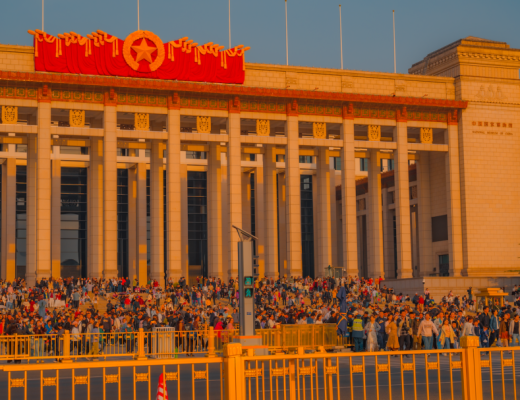
I must say, Beijing Wildlife Park is truly the absolute best zoo in Beijing right now. It's spacious, boasts a wide variety of animals, and offers up-close encounters with many species. No wonder it draws such huge crowds—even if you have to wait in line for hours, it's absolutely worth it.
Further Reading:[Beijing Free Travel Guide] Must-Visit Attractions, Accommodation, Food, and Costs
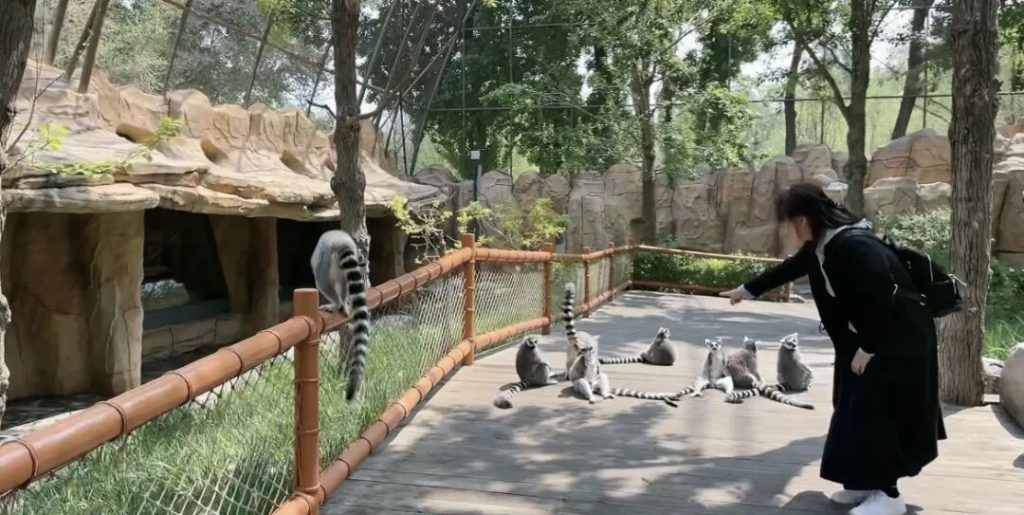
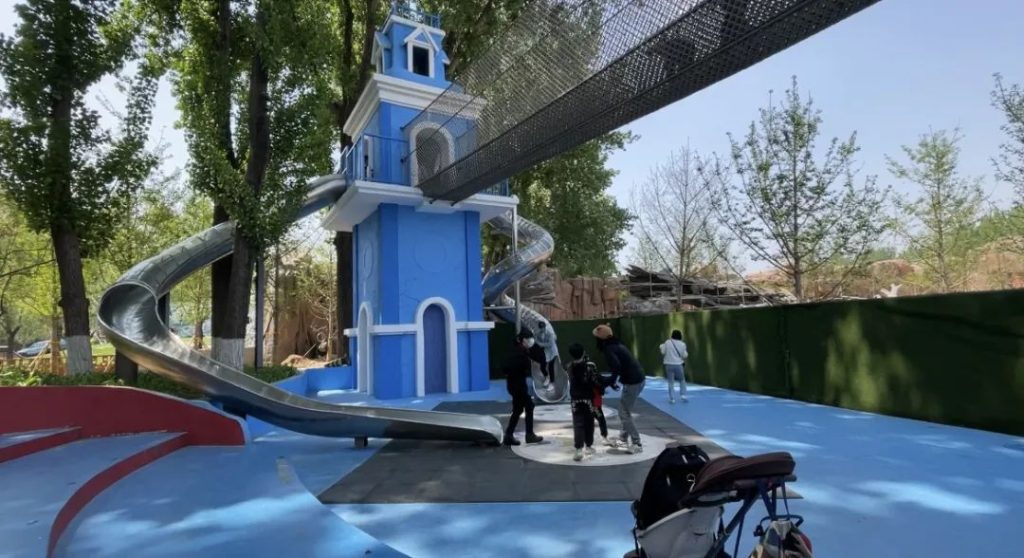
The official introduction highlights over 80 themed animal enclosures and exhibits, housing more than 5,000 rare wildlife species from around the world. Visiting here broadens horizons for both children and adults alike. Many animals were entirely new to me. Walking through the park, I often mistook real animals for replicas, as I hadn't anticipated so many creatures being freely roaming. By the end, even the replicas seemed real to me. Beyond the diverse wildlife, the park also features children's play facilities like slides and climbing structures. This place truly deserves a full day to explore.
Park Hours & Admission
April–October: 8:30 AM–5:30 PM
November–March: 9:00 AM–5:00 PM
Admission Pricing:
✅️ Ticket Booking: Trip
1. Adults: Weekdays ¥150, Designated Days ¥180
2. Students: Weekdays ¥90, Designated Days ¥110
3. Free admission for children under 1.0m tall and seniors aged 65+
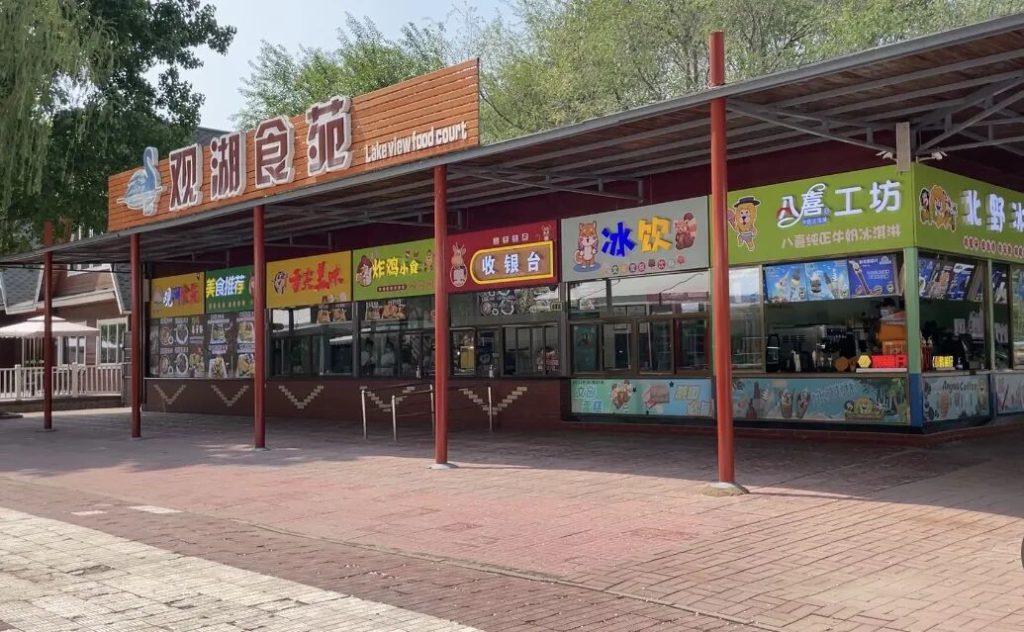
4. Ticket includes: walking tour area, animal behavior shows, safari vehicle tour of predator zone, and train tour of self-drive area. About Dining: Visitors may bring their own food or dine within the park. Multiple dining options are available, with approximately 5-6 locations distributed along the South and North routes.
About Self-Driving Tours
Before visiting, I assumed that choosing a self-driving tour meant driving around the entire park to see all the animals. However, upon arrival, I learned the park is divided into three distinct zones: the Predator Zone, the Walking Tour Zone, and the Self-Driving Zone. Each zone features different animals. To see everything, you must visit all three zones. The self-drive area is just one of them, sharing the same territory as the sightseeing train. You'll see the same animals but cannot access the Predator Zone or Walking Tour Area. The self-drive option costs an additional ¥200, while the sightseeing train is included in the admission ticket and free to ride. You can choose either method to explore the self-drive zone.
About Tour Routes
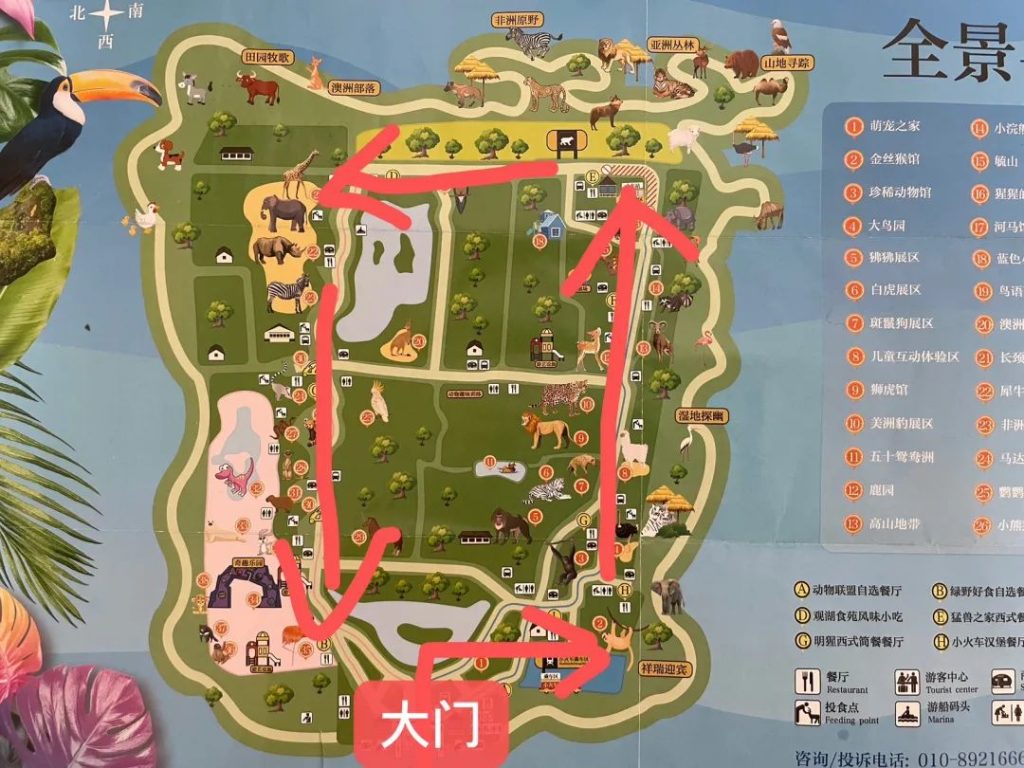
The park features two routes: South and North. Regardless of whether you start with the South or North route, you must complete a full loop to see all exhibits. The popular sightseeing train area (self-drive zone) and predator zone are both located on the South route. Therefore, most visitors choose to start with the South route upon entering the park.
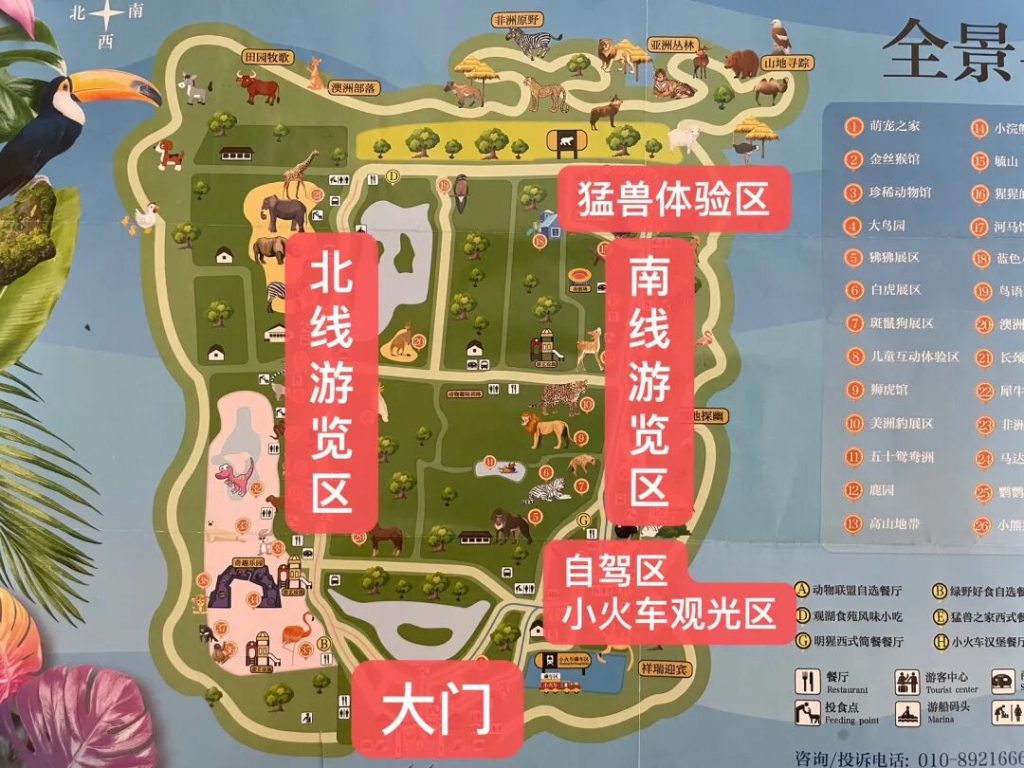
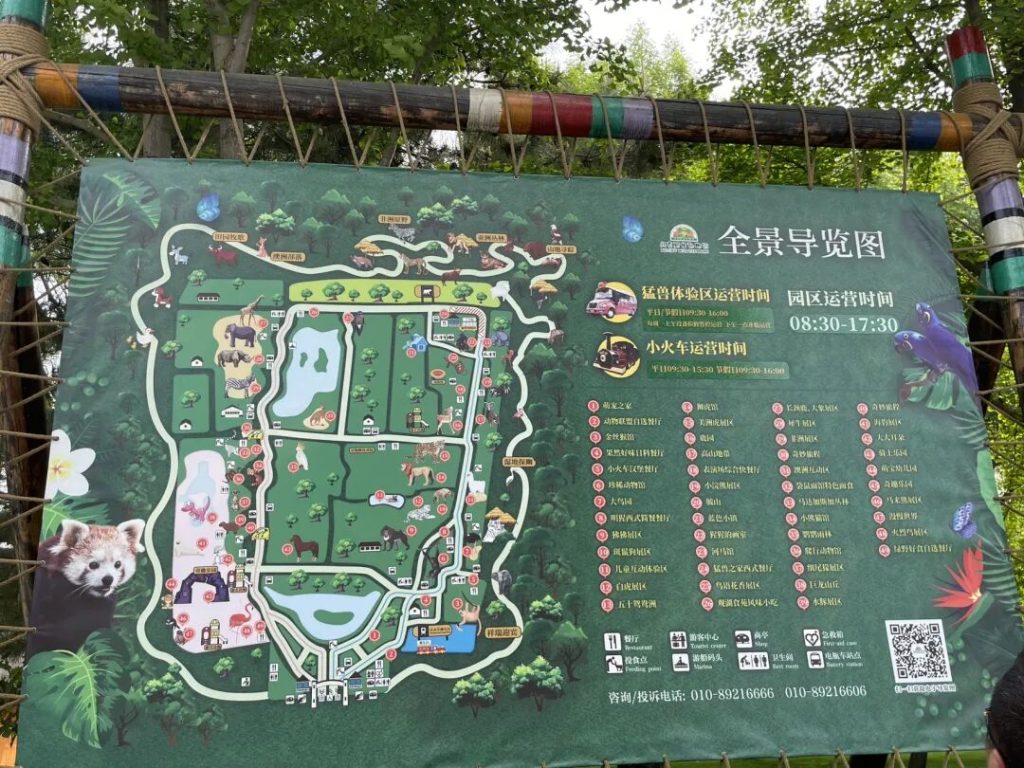
Route 1: After entering the park, turn right and follow the South Loop counterclockwise. See the map below. Avoid retracing your steps. The popular Mini Train Area and Predator Zone are both located along the South Loop, so most visitors choose this route first upon entry. We strongly recommend arriving before opening hours. Once inside, head straight for the Mini Train ride. The train ride takes about one hour. Afterward, proceed along the path to the predator zone and continue your counterclockwise loop through the North Tourist Area.
The interactive exhibit area on the south route allows visitors to get up close and personal with llamas, pigeons, and sheep.
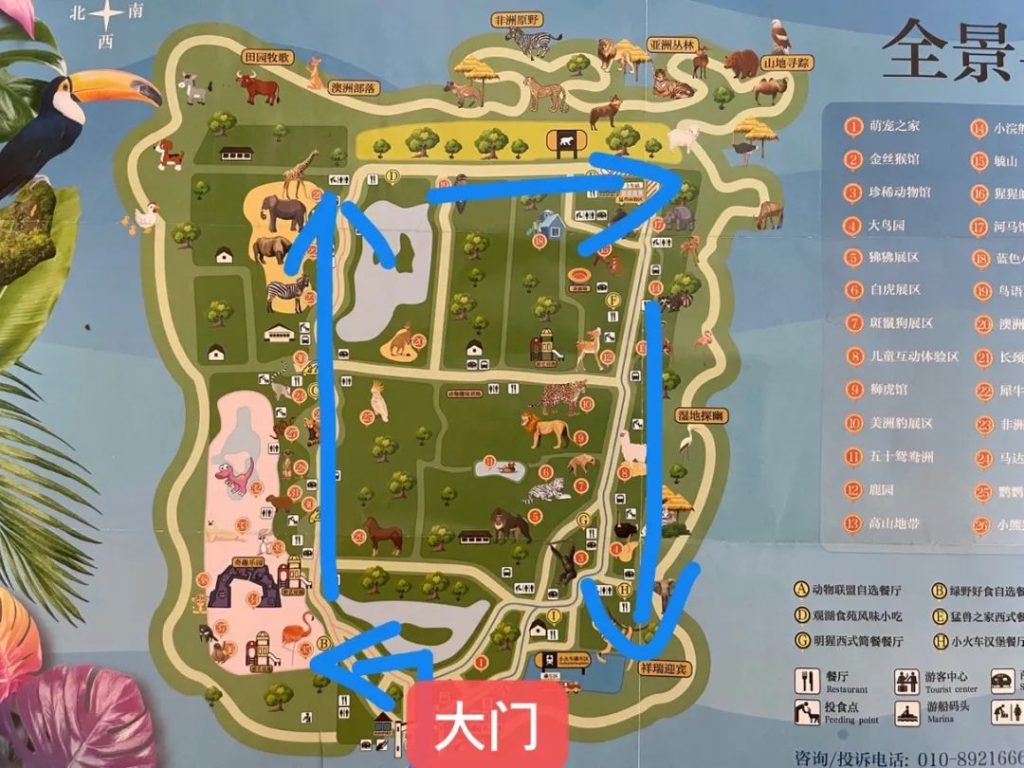
Route 2: After entering the park, turn left and head to the North Route first. Take an unconventional clockwise loop—this route also avoids backtracking. Since over 90% of visitors head to the South Route upon opening, the North Route feels practically empty at this time. One word: bliss. This is the route I chose. You won't meet the main crowd from the South Route until you reach the predator zone. The exhibits you visit earlier along this path are incredibly quiet and peaceful.
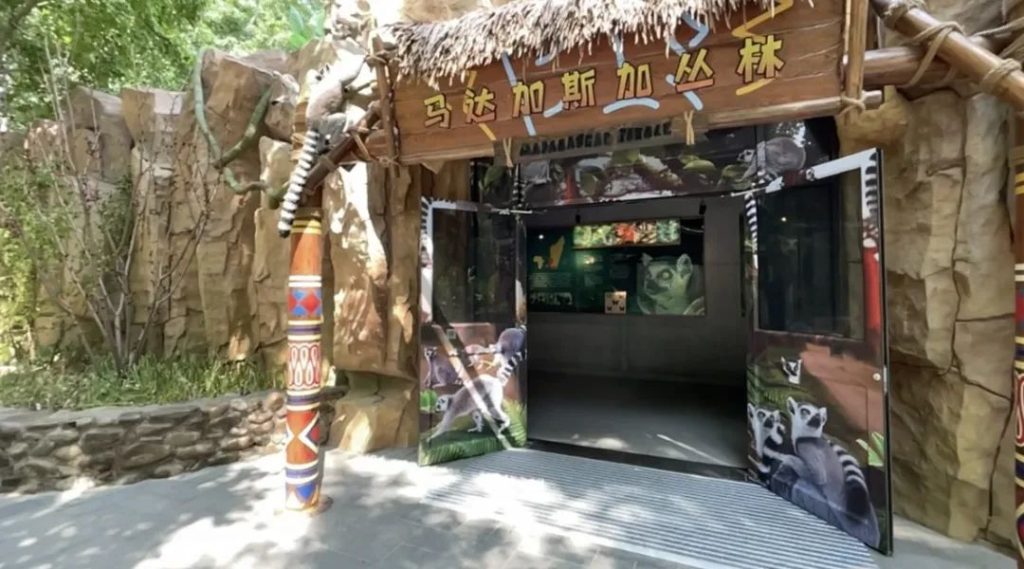
The North Line features the Flamingo Exhibit, Wonderland, Dragon Hill, the Panda Pavilion, the Madagascar Jungle, and more.
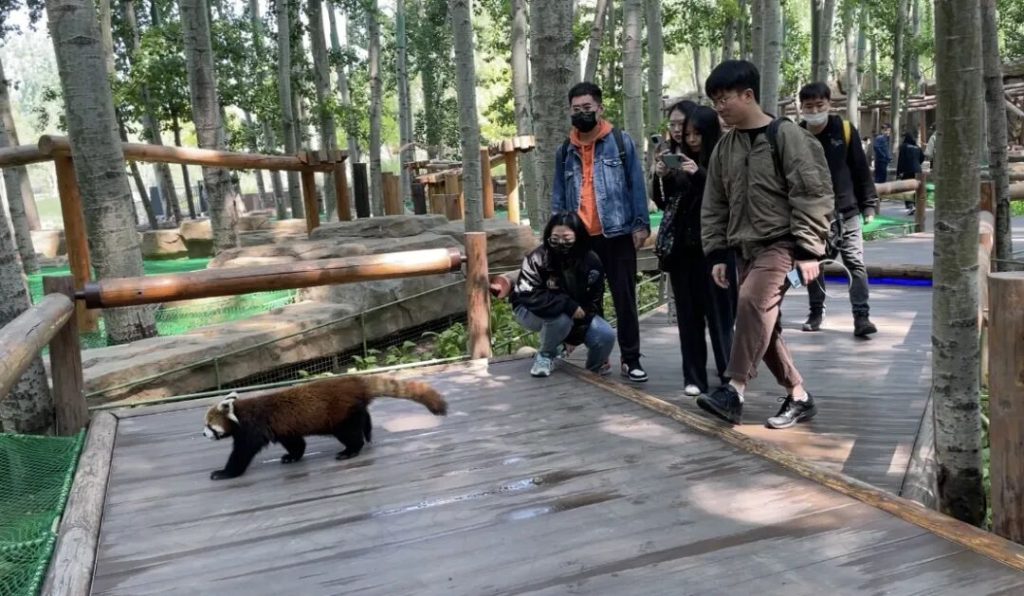
Red Panda Exhibit Area: Visitors can get up close and personal with the red pandas.
Ring-tailed lemurs in the Madagascar exhibit can be encountered up close.
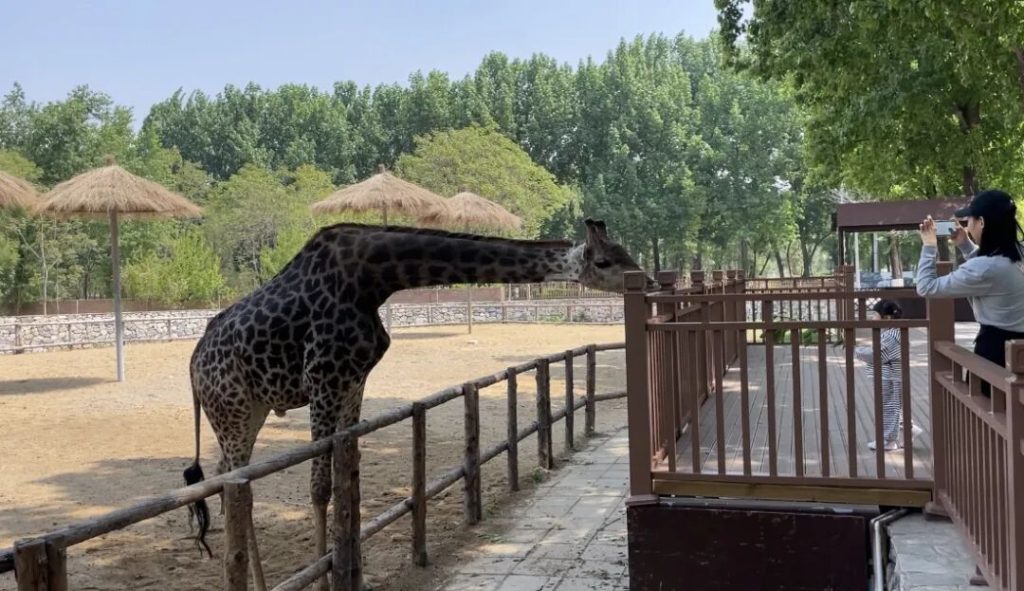
Long-necked deer can also be fed.
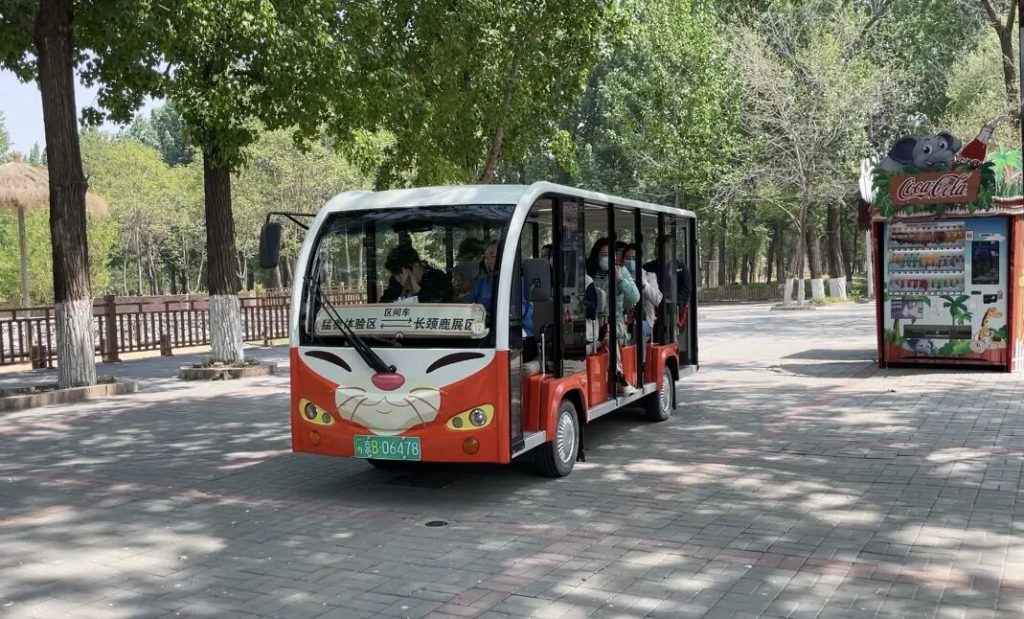
Route 3: Upon entering the park, head straight to the Predator Zone. This area has the longest wait times if you arrive later, so take advantage of the smaller crowds right after entry to explore it first. Afterward, proceed to the Miniature Train Tour area, where wait times are relatively shorter. Each train can accommodate seventy to eighty people. These are the only two areas in the park requiring queues, both with significant wait times. After visiting these two queue-heavy zones, you can leisurely explore the remaining walking areas at your own pace. This route inevitably involves some overlapping paths, so purchasing a full-day electric cart pass is recommended. It costs 30 yuan on weekdays and 50 yuan on designated days, allowing unlimited rides within a single day.
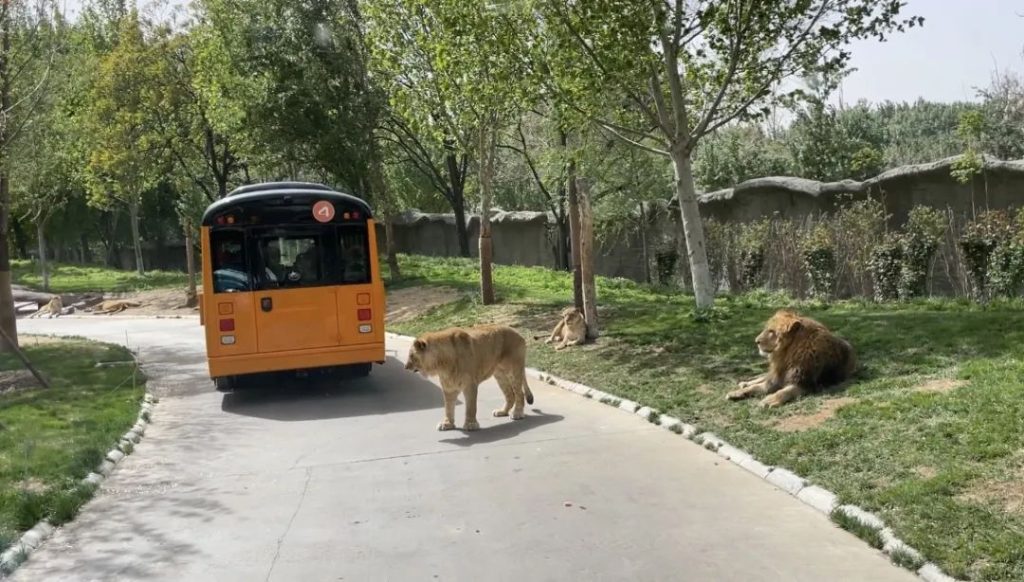
About the Predator Experience Zone:
Since each sightseeing vehicle can only accommodate around 20 people and a full circuit takes 50 minutes, this area typically involves long wait times. On a weekday visit, I waited in line for an hour.
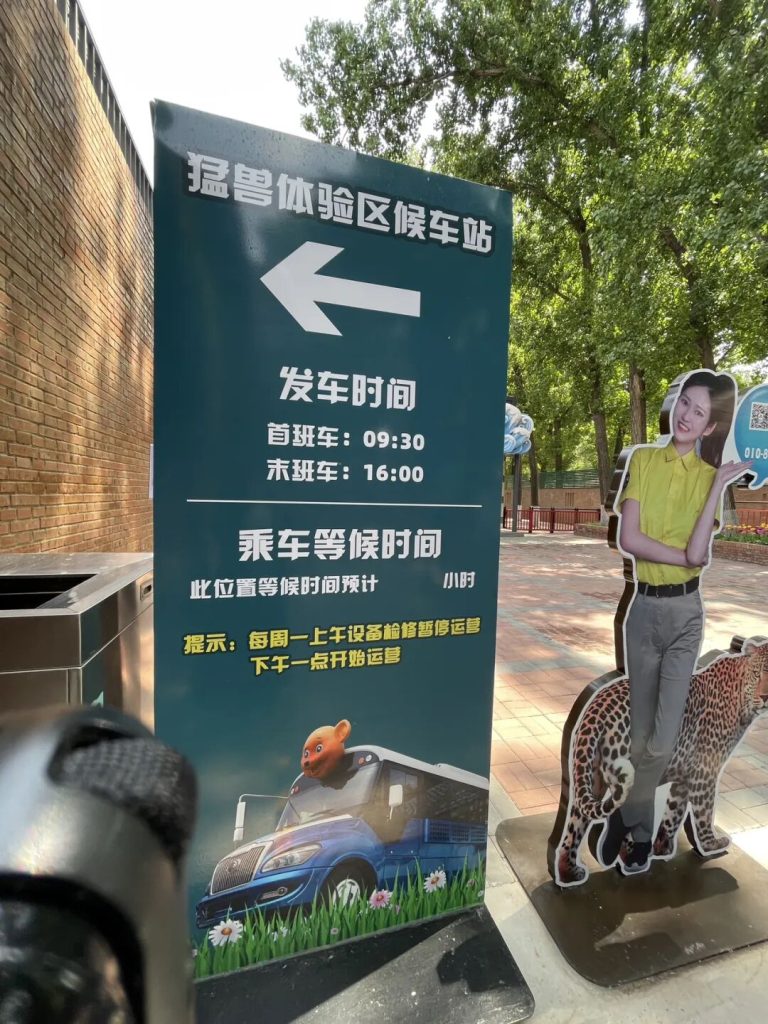
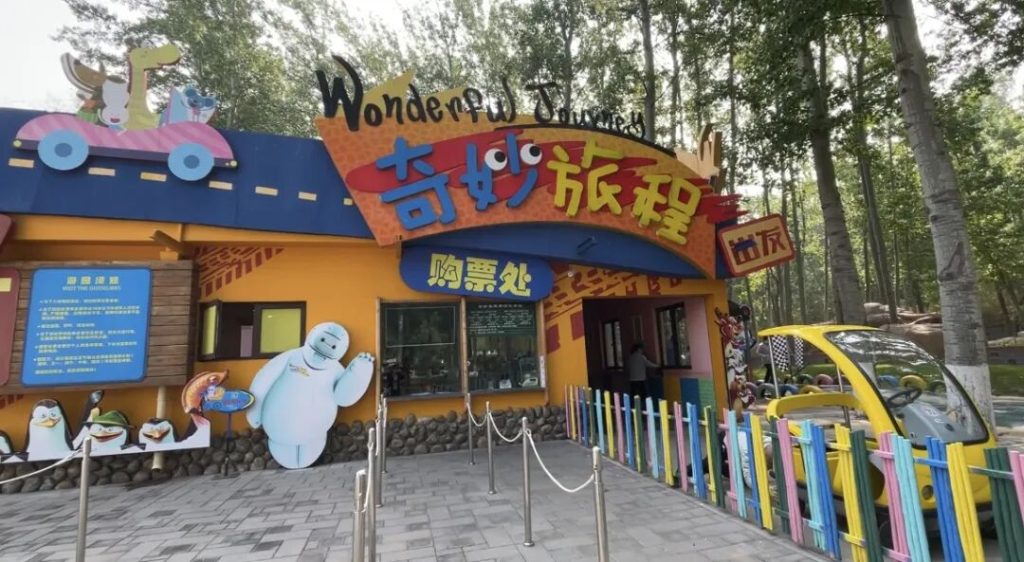
Even the sightseeing buses are designed to look so cartoonish.
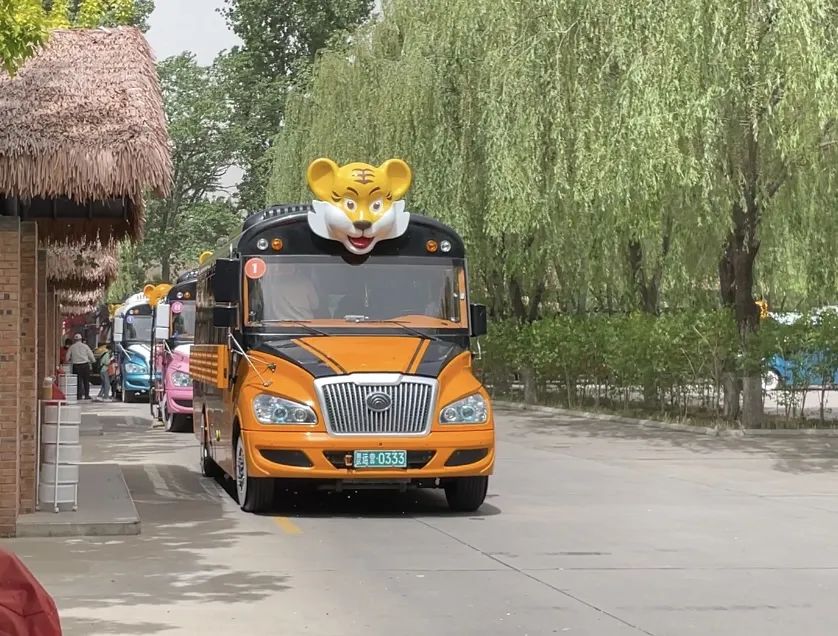
The driver also serves as a tour guide, providing brief introductions at each animal exhibit within the predator zone.
About Animal Shows
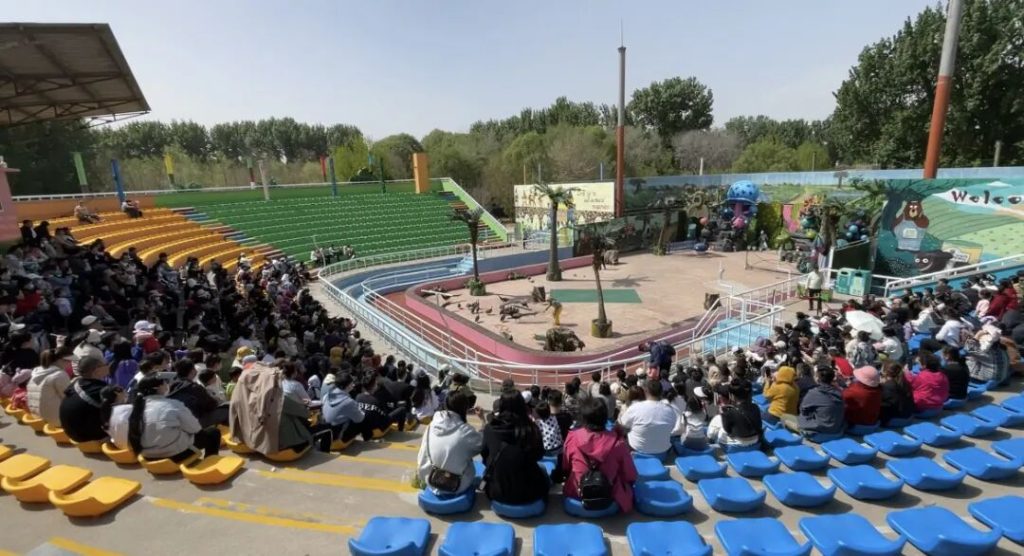
Animal shows are held twice daily at 11:00 AM and 2:00 PM. The shows take place on the second floor of the Animal Show Restaurant. Visitors wishing to attend should note the times.
Regarding the electric cart: Single-trip ticket: 20 yuan Full-route ticket: 30 yuan on weekdays, 50 yuan on designated days
The Northern Route offers a unique adventure. This exhibit area requires a separate admission fee: 100 yuan for single-row seating and 200 yuan for double-row seating on weekdays. Each ticket includes a complimentary feeding kit, allowing visitors to spend 40 minutes inside. The most captivating feature of this exhibit is that all animals roam freely—including deer, llamas, sheep, and more—enabling zero-distance interaction and feeding.
Campus Map
Finally, we recommend visiting during off-peak hours or weekdays whenever possible. With fewer crowds, you'll have a much better experience.