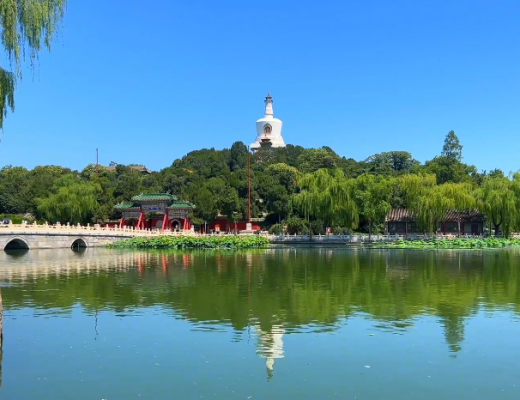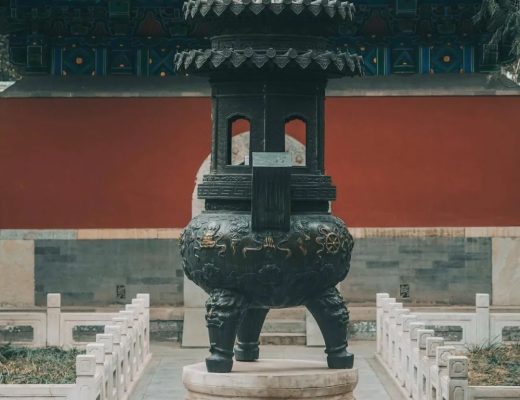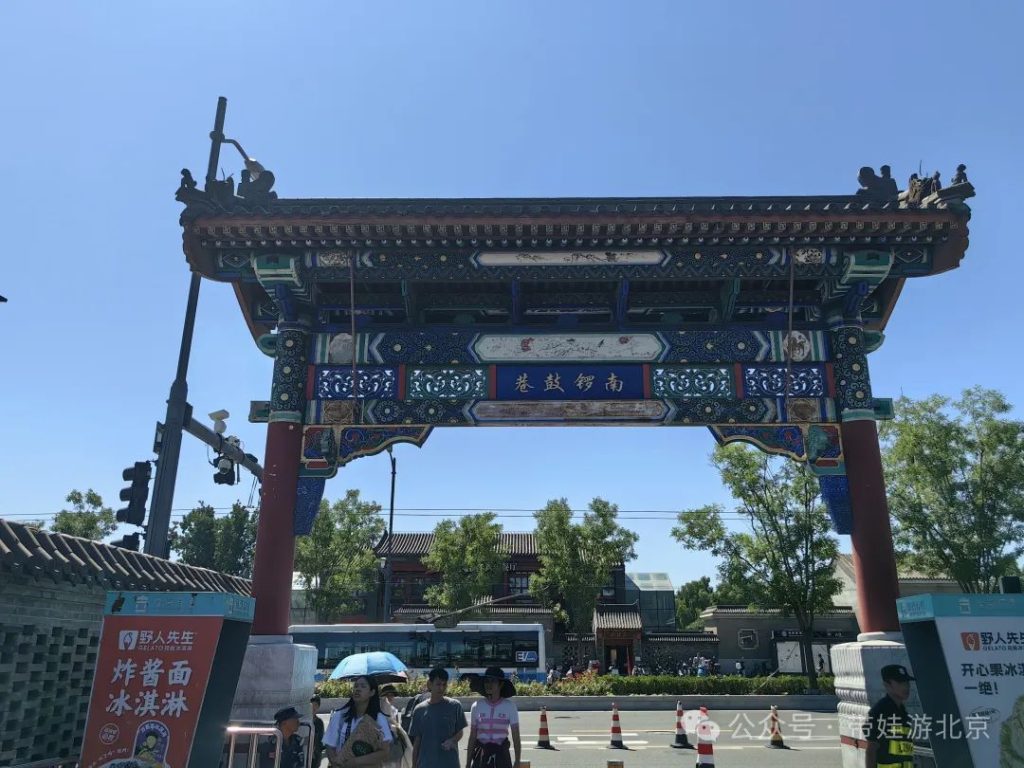
Nanluoguxiang was built during the same period as the Yuan capital city (1267), boasting a history of over 740 years.
Due to its topography—higher in the center and sloping downward to the north and south, resembling a hunchbacked person—it was originally called Luoguxiang (Hunchback Alley). In the 15th year of the Qianlong reign (1750), the “Complete Map of the Capital City” renamed it Nanluoguxiang.
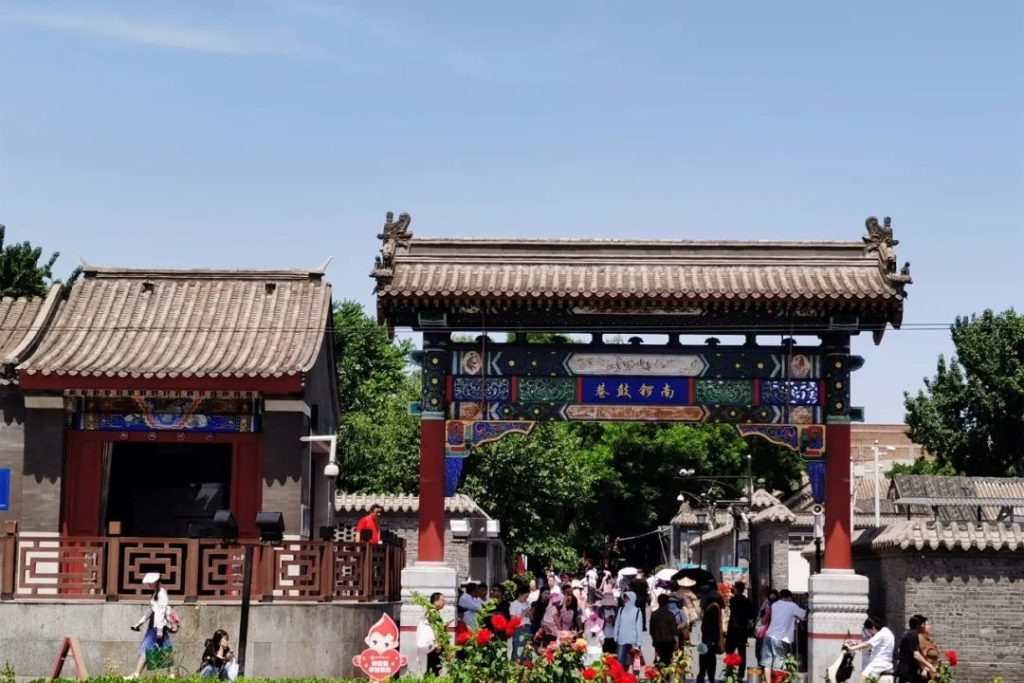
Nanluoguxiang stretches 786 meters in length. Beyond strolling and sampling delicacies along this street steeped in old Beijing charm, the hutongs flanking both sides of Nanluoguxiang are also well worth exploring~
Further Reading:[Beijing Free Travel Guide] Must-Visit Attractions, Accommodation, Food, and Costs
Each hutong in Beijing boasts its own unique scenery, historical culture, and vibrant local atmosphere. Among these hutongs in the Nanluoguxiang area, you'll discover residences of famous figures, both large and small (Note: Currently, only the Qi Baishi Former Residence Memorial Hall is open to the public).
Nanluoguxiang Information
Address: Nanluoguxiang Hutong, Dongcheng District
Admission: Free
Public Transport: Get off at Nanluoguxiang Station on Subway Lines 6 or 8.
✅️Performance Tickets:Trip
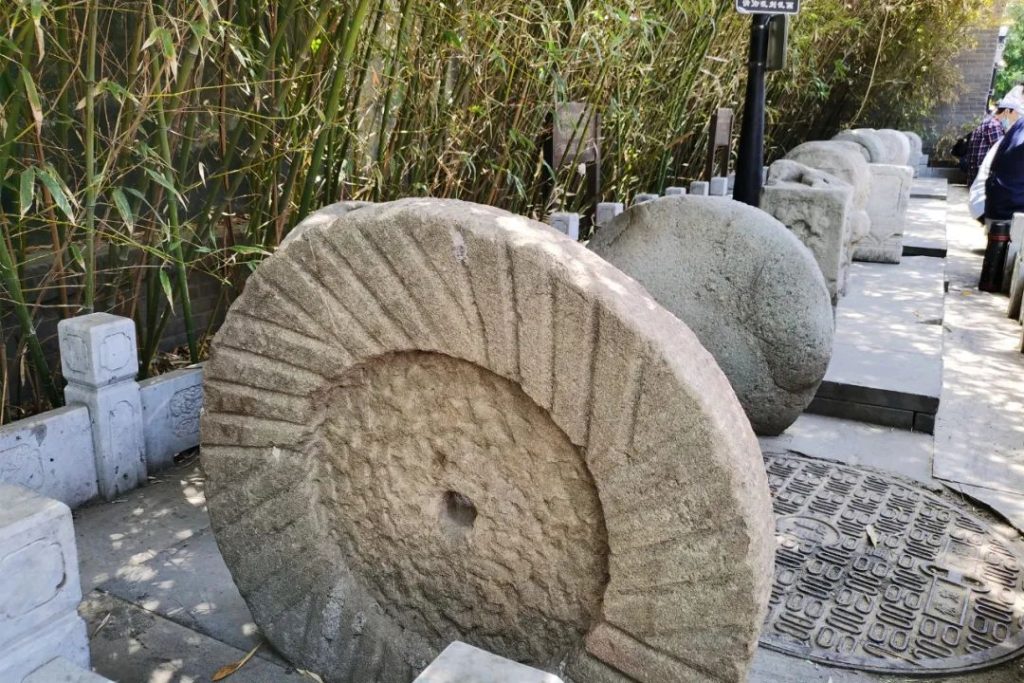
Why are there so many former residences of famous figures here? This is tied to Nanluoguxiang's past and present, as well as its geographical location~
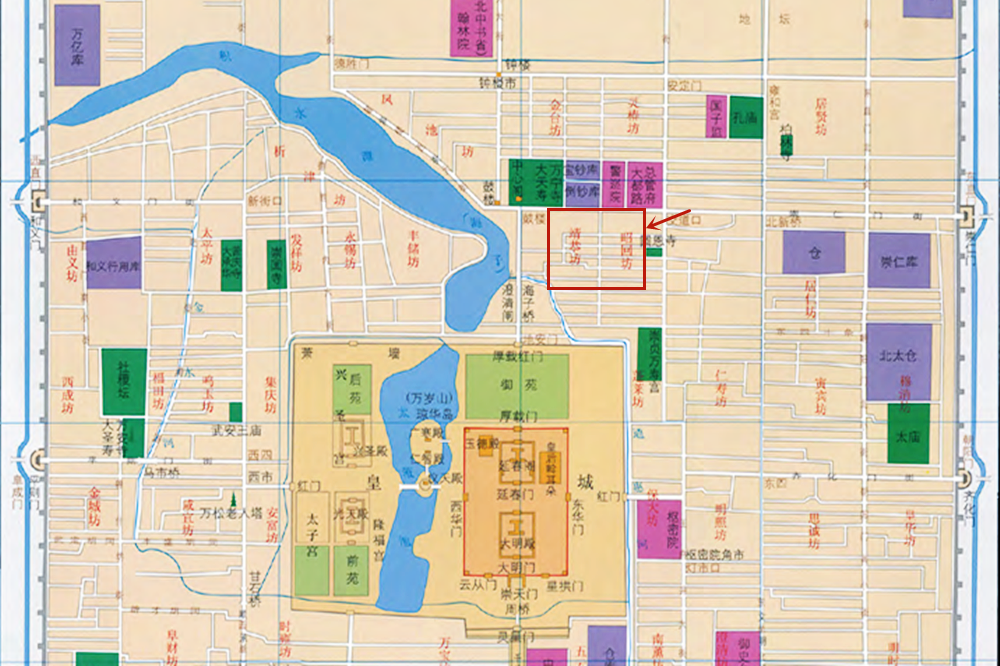
To the north of Nanluoguxiang lies Gulou East Street, to the south is Di'anmen East Street, to the west is Di'anmen Outer Street, and to the east is Jiaodaokou South Street.
This rectangular plot enclosed by these four streets, with Nanluoguxiang as its boundary, formed two wards of the ancient Yuan capital: the eastern “Zhaohui Ward” and the western “Jinggong Ward.”
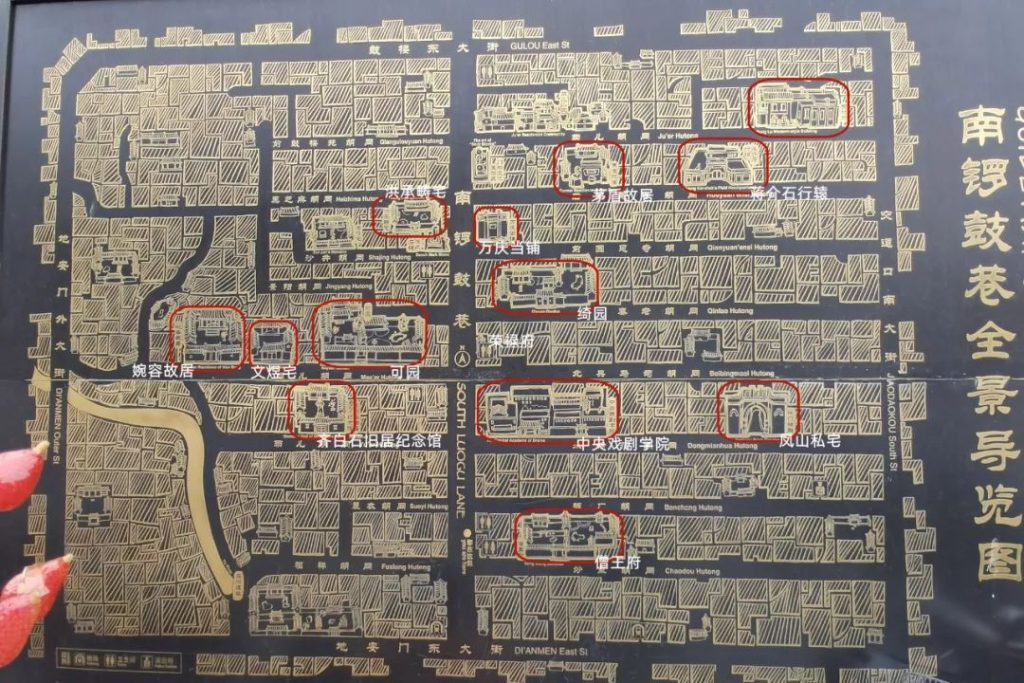
Within the eastern and western quarters, eight hutongs each are arranged in a “fishbone pattern.” The eight hutongs on the eastern side are: Chaodou Hutong, Banchang Hutong, Dongmianhua Hutong, Beibingmasi Hutong, Qinlao Hutong, Qianyuanensi Hutong, Houyuanensi Hutong, and Juer Hutong~
The eight hutongs on the western side are: Fuxiang Hutong, Suoyi Hutong, Yuer Hutong, Maor Hutong, Jingyang Hutong, Shajing Hutong, Heizhima Hutong, and Qian Gulouyuan Hutong~
During the Yuan Dynasty, Nanluoguxiang and its surrounding areas formed the heart of the capital, Dadu. By the Ming and Qing periods, this neighborhood became densely populated with high-ranking officials and noble households—princely mansions and grand estates.
Prominent figures such as Hong Chengchou, a key minister spanning the late Ming and early Qing dynasties; Senggelinqin, a renowned general of the late Qing; and the family home of Wanrong, the last empress—all resided here.
In modern times, No. 39 Mianhua Hutong served as the residence of Jin Yunpeng; No. 7 Houyuanensi Hutong was Chiang Kai-shek's temporary headquarters; No. 13 Houyuanensi Hutong was Mao Dun's former home; and No. 13 Yuer Hutong was once the residence of the renowned Chinese painter Qi Baishi.
Nanluoguxiang has thus become China's sole traditional residential district that fully preserves the Yuan Dynasty's hutong layout. It stands as the largest, highest-grade, and most resource-rich example of a grid-patterned traditional residential area.
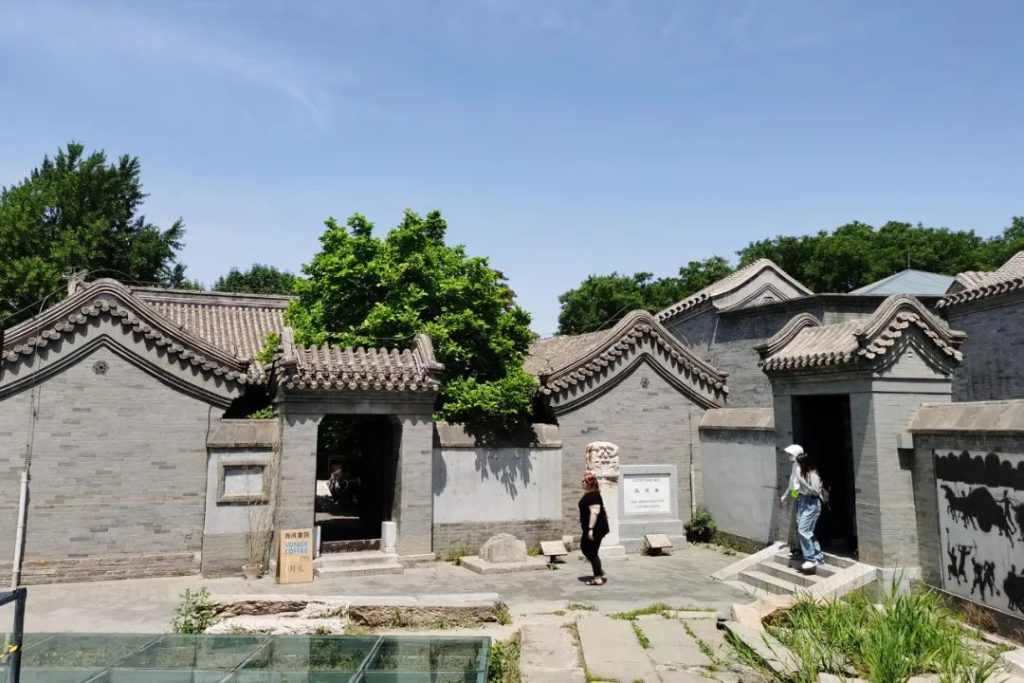
In 2009, Nanluoguxiang gained international acclaim for its unique Beijing cultural essence and distinctive shops, earning recognition from Time magazine as one of “Asia's Most Charming Places.”
Nanluoguxiang Travel Guide
Attraction Map
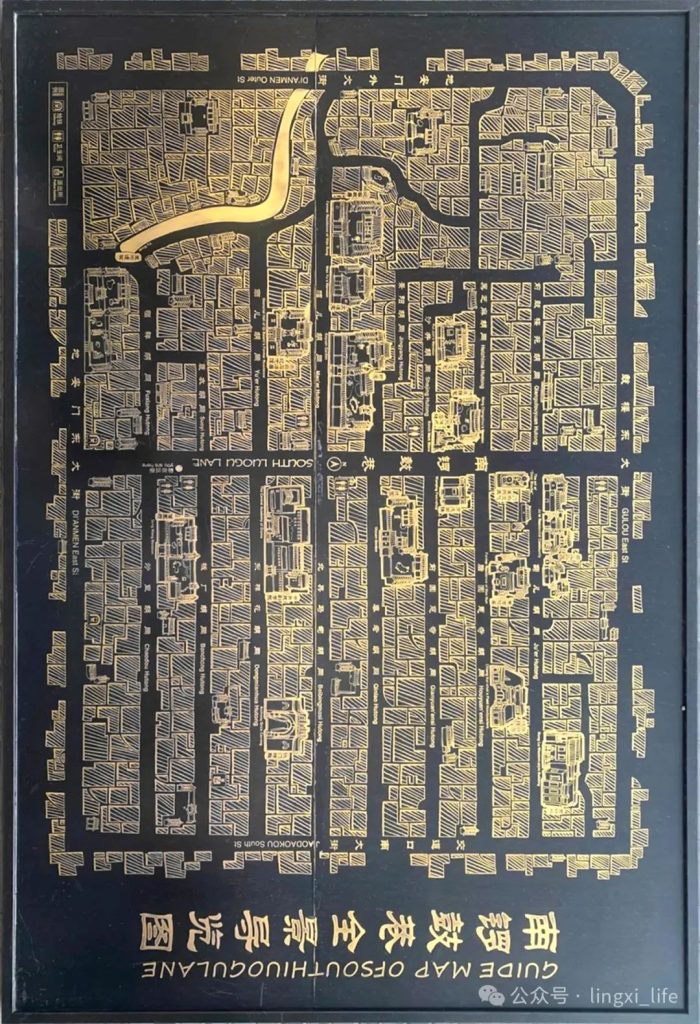
Tourist Route
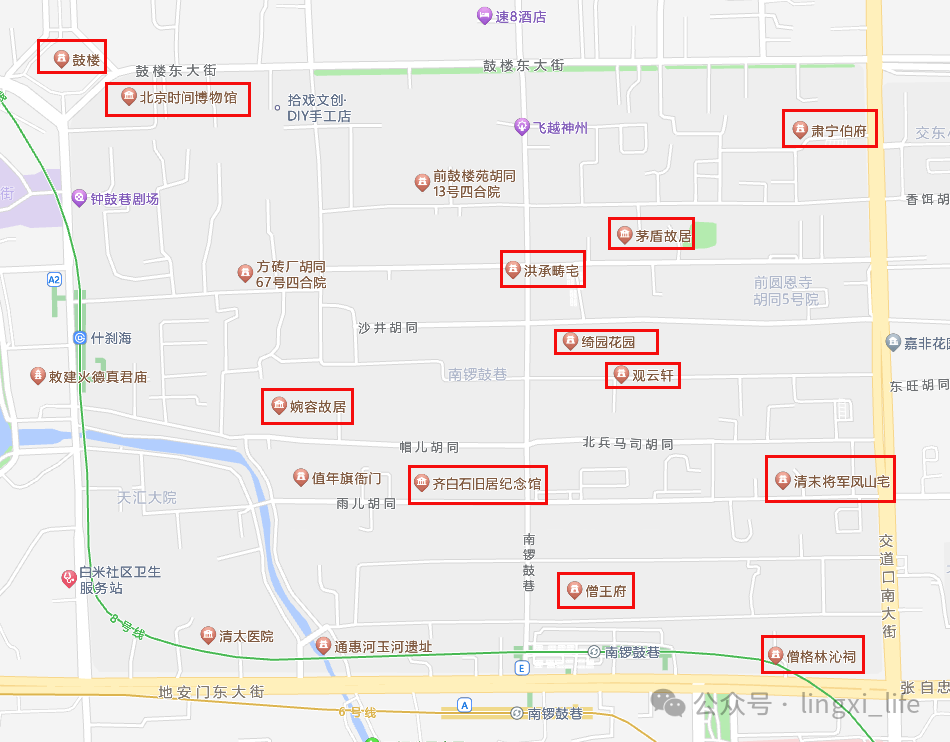
These locations on the map all represent historical and cultural sites. After exploring the main street, you can visit these places to experience the rich Beijing flavor and unique hutong charm.
Nanluoguxiang Attractions
-- Chaodou Hutong --
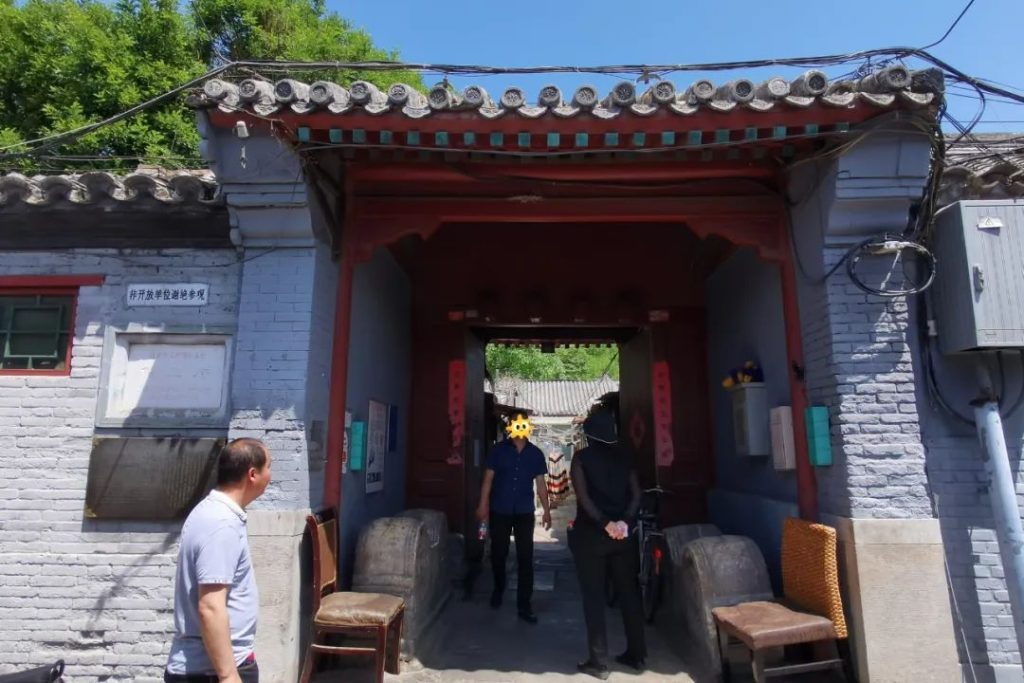
Sengwang Mansion: Located at No. 77 Chaodou Hutong and Nos. 30-34 Banchang Hutong in Dongcheng District. Purchased and expanded into a princely residence by Senggelinqin in the sixth year of the Daoguang reign (1826). Originally comprised of three courtyards—East, Central, and West—each with four courtyard sections. Now serves as residential housing.
-- Dongmianhua Hutong --
Fengshan Private Residence: Located at No. 15 Dongmianhua Hutong. The original compound featured a three-courtyard siheyuan layout. The main gate has been demolished and altered, while the front hall and the hanging-flower gate have been converted into residential units. The secondary gate is a seven-bay structure from the Republican era, featuring a brick-carved arched gateway at its center. The archway stands approximately 4 meters high and 2.5 meters wide. Its base rests on a stone-carved Sumeru pedestal, with brick carvings depicting flowers and beasts adorning the surface. The top features upward-pointing railings, whose panels are carved with the Three Friends of Winter—pine, bamboo, and plum blossom. Both sides of the archway display carved multi-tiered cabinets with hidden Eight Immortals motifs, showcasing exceptionally fine craftsmanship.
A “No Visitors” sign posted at the entrance prevents viewing of the brick-carved archway located at the second gate from the outside.
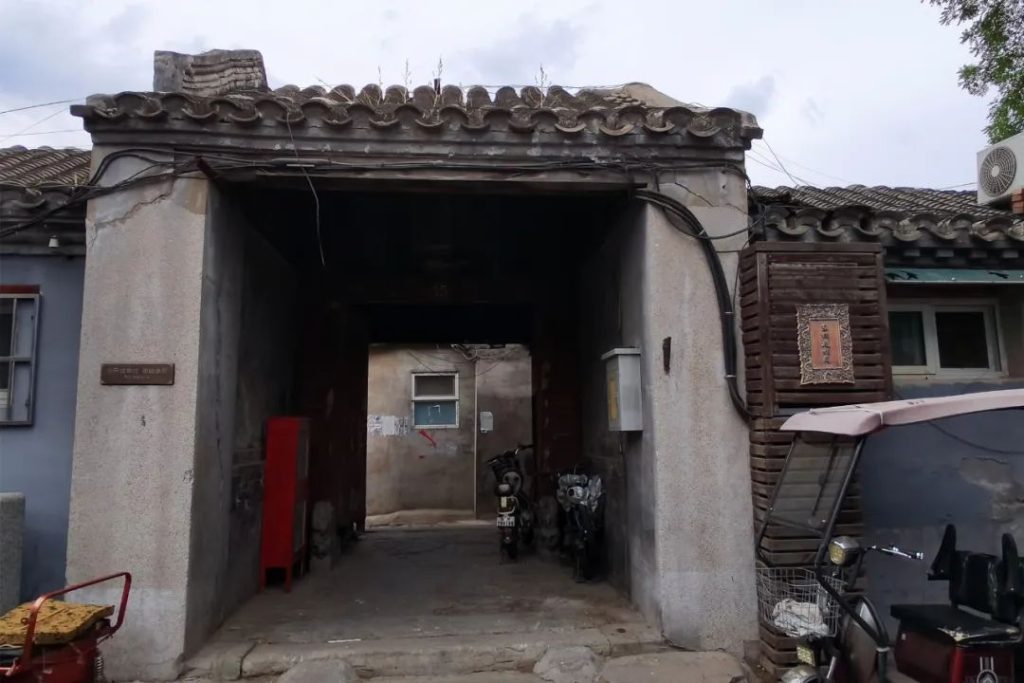
Central Academy of Drama: Commonly known as “CAD,” the school has two campuses in Dongcheng and Changping districts. The Dongcheng campus is located at No. 39 Dongmianhua Hutong, Jiaodaokou, Dongcheng District.
-- Yu'er Hutong --
Qi Baishi Former Residence Memorial Hall: Master Qi Baishi had two residences in Beijing. One is the memorial hall now open to the public at Yu'er Hutong; the other is located at No. 13 Kuache Hutong within Bica Hutong. This latter residence is currently occupied by Qi Baishi's descendants and family members and is not open to the public.
The residence is a courtyard house built during the mid-Qing Dynasty, designated as a Beijing Dongcheng District Cultural Heritage Site. In 1955, under the care of Premier Zhou Enlai, the Ministry of Culture allocated funds to purchase the property and provide it as a residence for Qi Baishi. The artist created many significant works here during his later years.
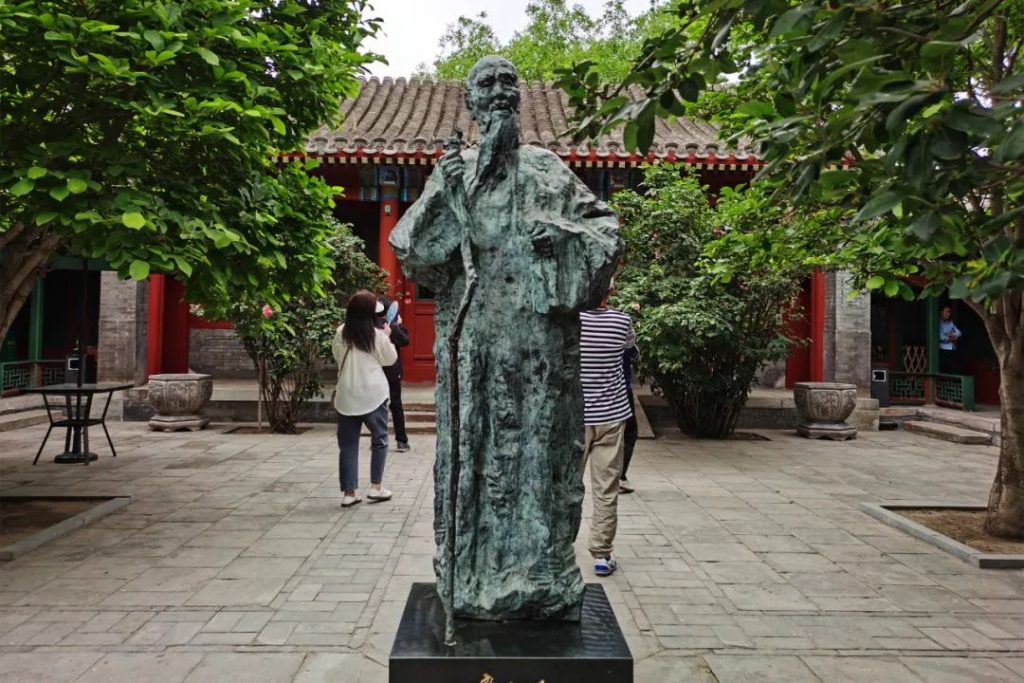
In 2011, with strong support from the Beijing Municipal Party Committee, Municipal Government, Dongcheng District Government, and Dongcheng District Cultural Affairs Commission, the Beijing Academy of Fine Arts restored this building, recreating the living and creative environment of the artist's later years.
The former residence is now open to the public free of charge. On-site reservations are required. Opening hours: 9:00 AM - 4:00 PM.
-- Maotou Hutong --
Dabeizi Mansion: Located at No. 6 Maotou Hutong, Dongcheng District. This residence belonged to Dala, a descendant of Princess Hejing, daughter of Emperor Qianlong of the Qing Dynasty. Dala's ancestor, Sebotenbazar, was the Prince of the Qorchin Mongol tribe. His family rose to prominence after he married Princess Hejing, daughter of Emperor Qianlong.
The Dabeizi family originally resided at No. 7 Zhang Zizhong Road (the former Princess Hejing Mansion) before relocating to No. 6 Mao'er Hutong. Dali's son, Dorji, lived here until 1940, later moving to Qinlao Hutong. Currently closed to the public.
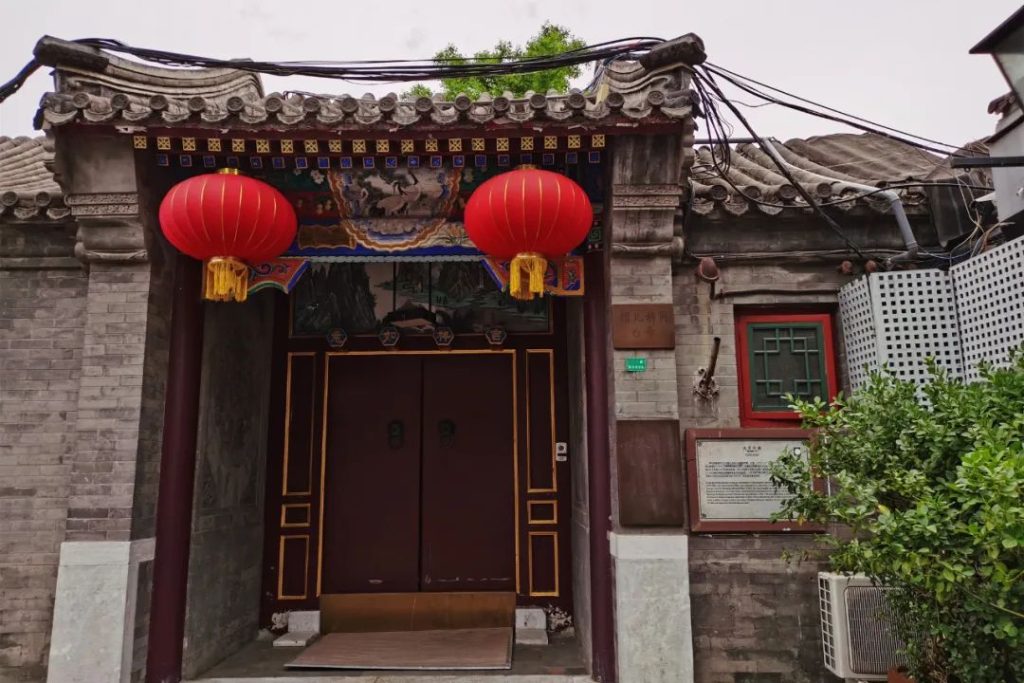
Keyuan Garden: Located at Nos. 7, 9, 11, and 13 Maohu Lane, Dongcheng District, this garden was originally the residence and garden of Wen Yu. Completed in the 11th year of the Xianfeng reign (1861) during the Qing Dynasty, its design drew inspiration from Suzhou's Humble Administrator's Garden and Lion Grove Garden. The garden comprises two distinct courtyards: the front courtyard centers around a pond, while the rear courtyard features an artificial hill. Each courtyard stands independently, connected by a long corridor running along the eastern side.
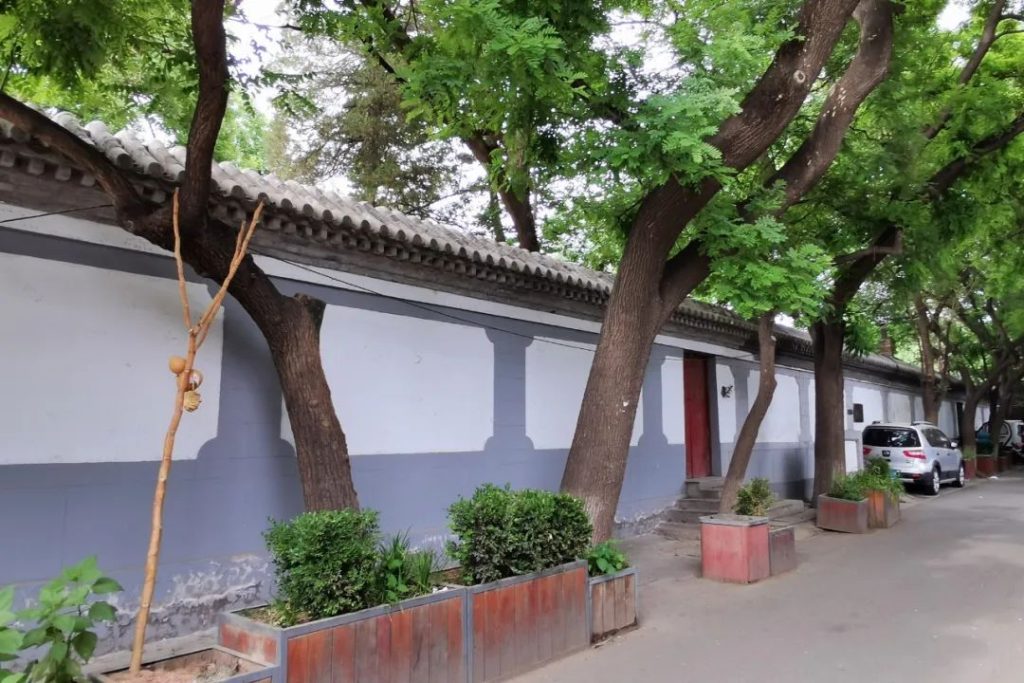
Keyuan is one of Beijing's best-preserved residential gardens and stands as a well-preserved example of private gardens in northern China, possessing significant artistic and historical value. It is currently closed to the public.
Wen Yu Residence: Located at No. 11 Mao'er Hutong in Dongcheng District, this grand estate comprises five interconnected courtyards spanning 11,000 square meters. Its vast scale and meticulous layout feature featuring hills, ponds, pavilions, and terraces—a rare configuration among extant private residences. (After Wen Yu's passing, descendants sold the estate to Feng Guozhang, a prominent figure in the Beiyang government, leading it to be known as the Former Residence of Feng Guozhang.) Currently designated as a dilapidated structure, it is closed to the public.
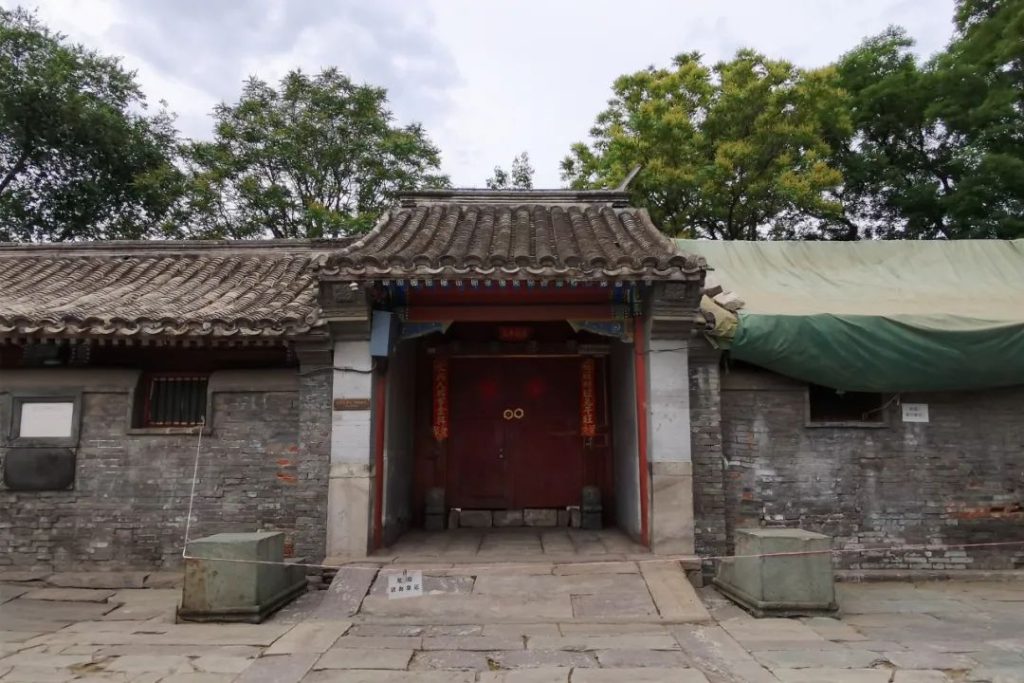
Wanrong's Former Residence: Located at 35-37 Mao'er Hutong in Dongcheng District, this was the pre-marriage residence of Wanrong, Empress of the last Qing emperor Puyi. It was built by her great-grandfather, Guo Buro Changshun.
Originally a modest residence, it was upgraded to the residence of a Third-Rank Duke of Grace after Wanrong's coronation as Empress. Her father was granted the title of Duke of Grace, and the estate expanded as the imperial consort's residence. The western wing features four courtyards, while the eastern wing has three. The rear courtyard includes rockeries and a pond, with a family shrine to the east. The main hall in the western wing served as Wanrong's quarters. Currently closed to the public.
-- Qinlao Hutong --
Qiyuan Garden: Located at No. 35 Qinlao Hutong. This garden was the residence of Ming Shan, Minister of the Imperial Household Department during the Qing Dynasty. The Ming Shan family held the position of Minister of the Imperial Household Department for three generations, amassing great wealth that enabled them to create this exquisite garden.
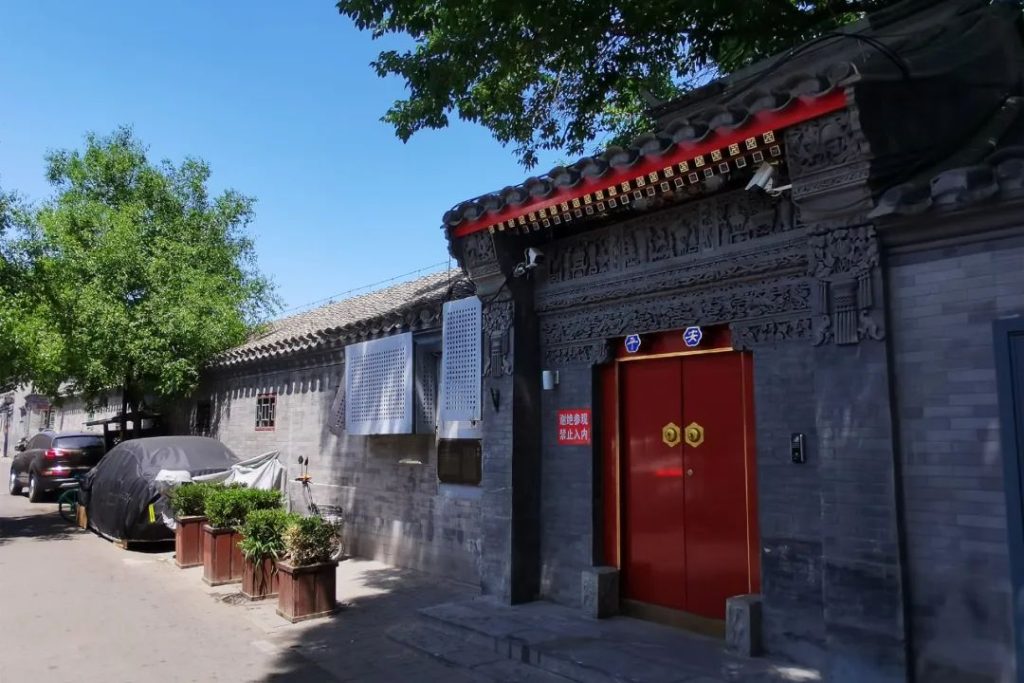
Qiyuan Garden originally featured various structures including rockeries, ponds, pavilions, terraces, bridges, and gazebos, along with a boat-shaped open pavilion modeled after Jiangnan gardens. During the Republican era, the estate was sold by descendants of the Ming family. The western section was converted into a three-courtyard siheyuan compound, leaving only a rockery with a stone plaque inscribed [Qiyuan] at the eastern corner of the main gate. Currently closed to the public~
-- Suoyi Hutong --
Wanqing Pawnshop: Located at No. 1 Suoyi Hutong. Founded in the late Qing Dynasty, its owner was a Manchu who managed the imperial treasury. As one of Beijing's five major pawnshops during the late Qing era, it declined and closed during the Republican period. A small structure was built in front to obscure the “Wanqing” characters, and the premises were leased out.
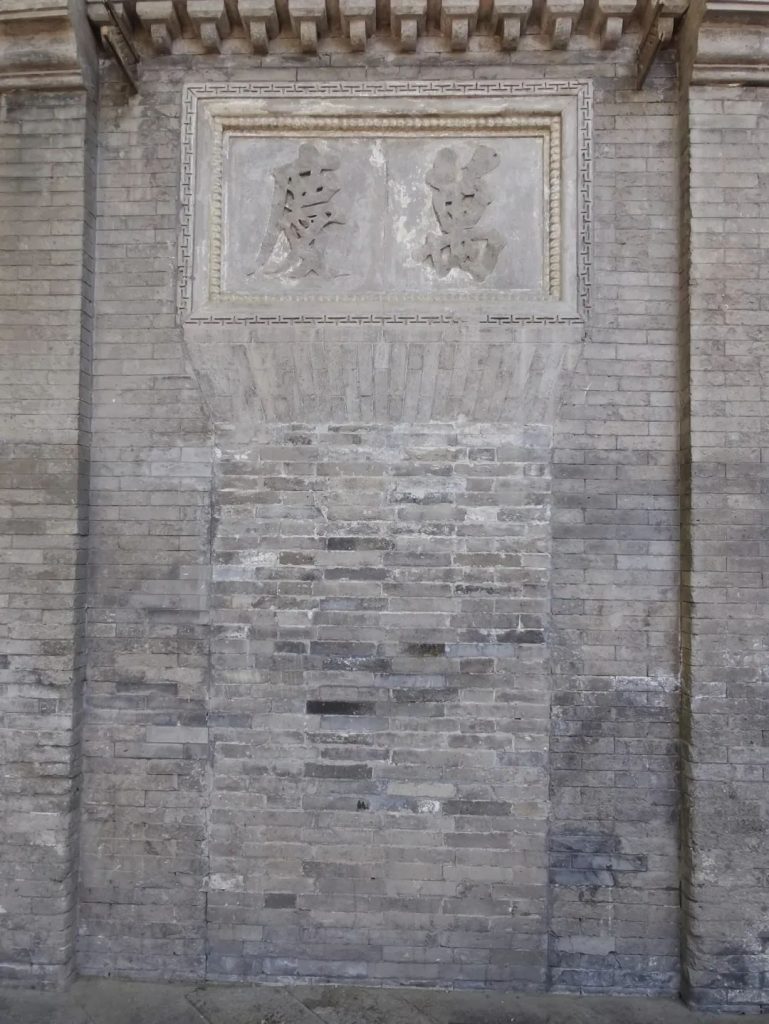
Only the traditional Chinese characters “萬慶” carved in gray bricks remain visible. The archway below has been sealed off. To the left of the entrance stands a “clamp stone” with a stone ball placed atop its central hollow. North of the clamp stone lies a stone stele detailing Wanqing Pawnshop.
Hong Chengchou Residence: No. 59 Nanluoguxiang. The original main gate of this residence stood north of the eastern entrance of Fangzhichang, boasting a majestic presence with two iron lions guarding the entrance. Most of the buildings within the courtyard have been altered, with only three northern rooms remaining. These rooms face south, featuring a front veranda and a hard-roofed structure with a tiled ridge. According to information provided by descendants, this served as the family temple (i.e., the Hong Clan Ancestral Hall). It is now a private residence.
-- Houyuanensi Hutong --
Mao Dun Residence: Located at No. 13 Houyuanensi Hutong, Dongcheng District. Modern literary figure Mao Dun (Shen Yanbing) resided here from 1974 to 1981. (Note: Originally open to the public, but reportedly closed for over a year according to local residents).
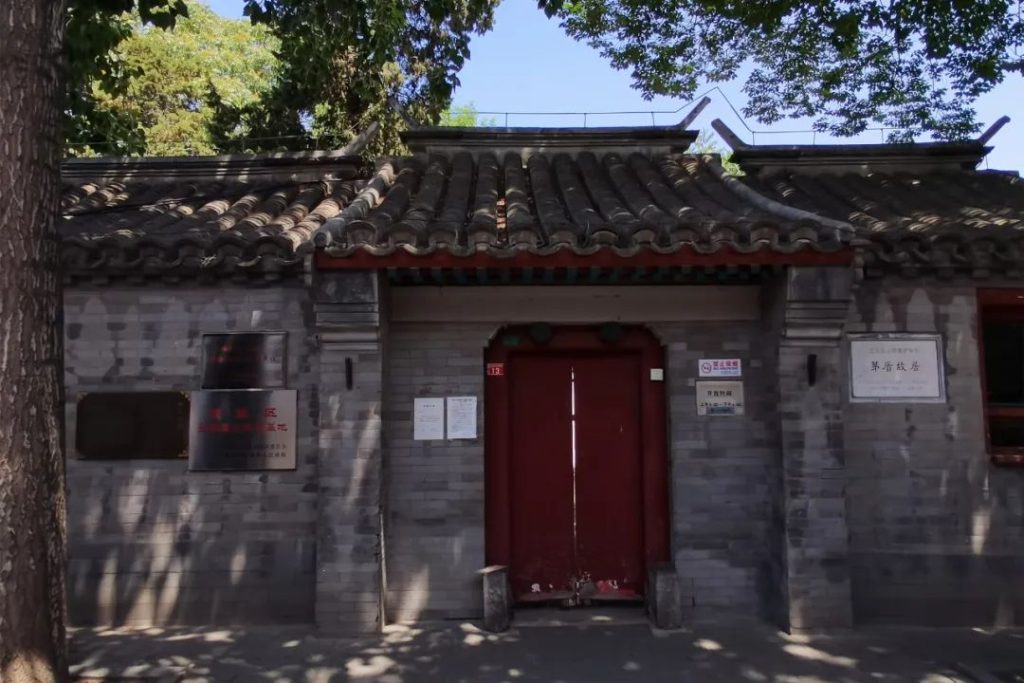
The former residence features two courtyards, front and rear, comprising a total of 22 rooms of various sizes. Constructed during the Republican era, it is a two-courtyard siheyuan compound. Inside the gate, a black marble plaque inscribed with gold characters reading “Mao Dun's Former Residence”—written by Deng Yingchao—adorns the screen wall. All buildings within the courtyard feature tiled roofs with ridged eaves.
Remnant of the Yellow Banner Official School: Located at No. 20 Houyuanensi Hutong, Dongcheng District. During the Shunzhi reign, the Qing government established the Eight Banners official school system, with the Yellow Banner Official School being one of them. It is said to have been the second largest Eight Banners official school in the capital, surpassed only by the Blue Banner Official School. In 1938, it was converted into the Municipal Qianyuan Temple Elementary School before merging with Heizhima Hutong Elementary School. This site stands as one of the few surviving school grounds dating back to the Qing Dynasty.
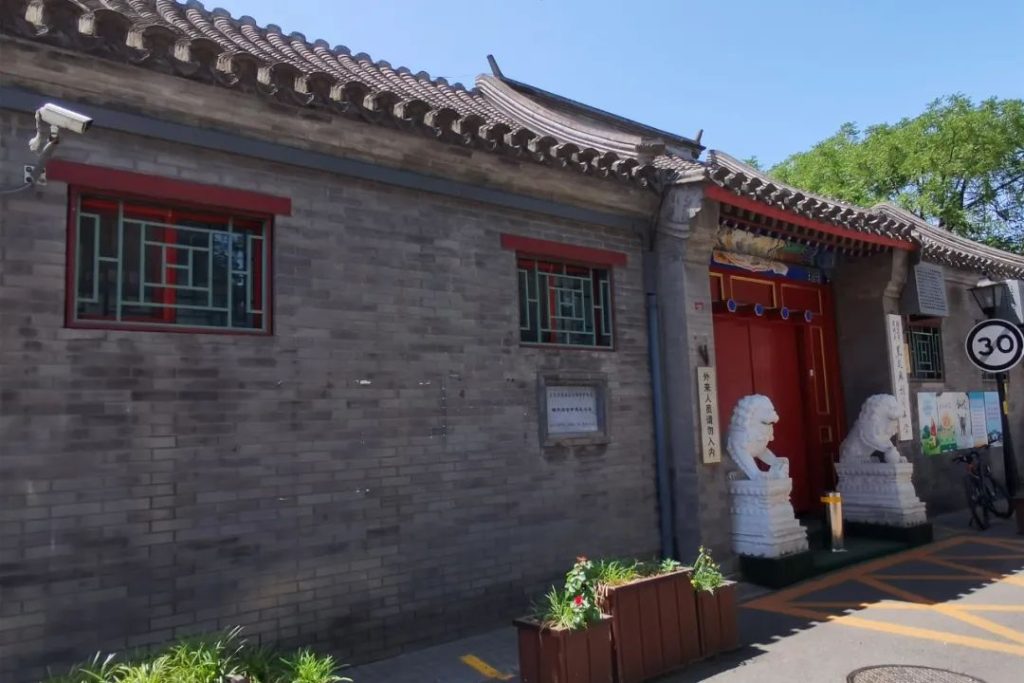
Chiang Kai-shek's Temporary Residence: Located at No. 7 Houwanyensi Hutong in Dongcheng District, formerly known as “Enyuan,” it is a large courtyard compound blending Chinese and Western architectural styles. Originally the residence of Prince Qing's second son, Zaifu, it served as Chiang Kai-shek's temporary headquarters in Beiping, witnessing two significant political and military events. Now under the direct administration of the General Office of the CPC Central Committee, it is not open to the public.
-- Juer Hutong --
Juer Residential Complex: Distinct from other hutong buildings, this complex features two- to three-story structures with gray tiles and white walls. Designed by Academician Wu Liangyong, it represents a rare example of a modern siheyuan within Beijing's historic city center and has been honored with the United Nations Habitat Award.
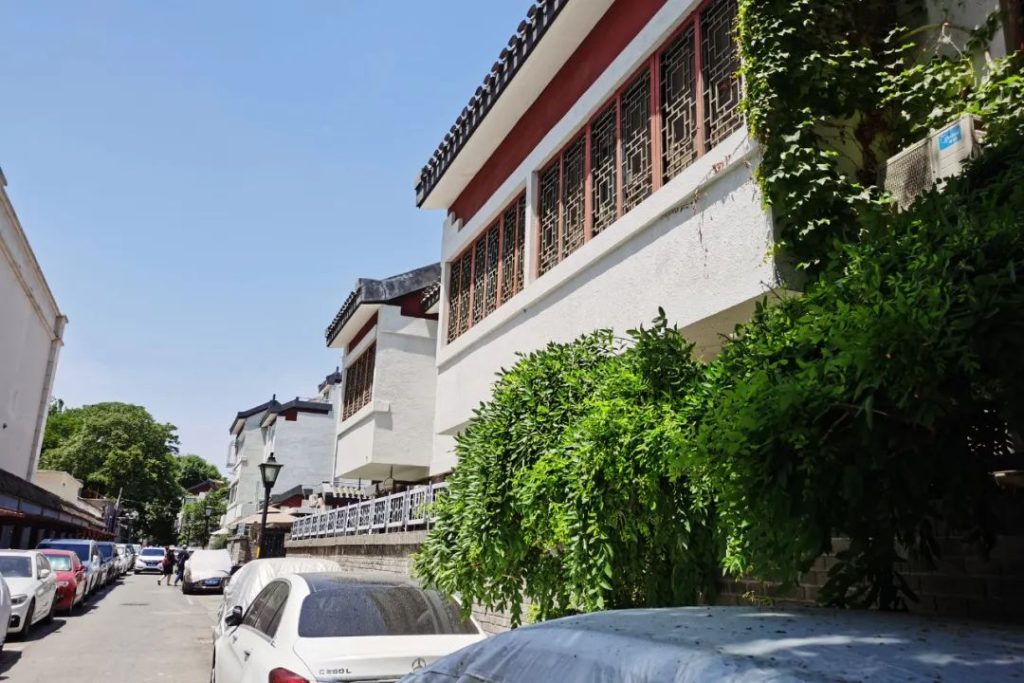
Ronglu Mansion: Located at No. 3, 5, and 7 Juer Hutong and No. 6 Shoubi Hutong. The residence comprises three sections: a Western-style building to the west, a garden in the center, and residential quarters to the east, which feature five courtyards. Preserved structures include the rear hall, reception hall, main residence, and ancestral hall. The central garden has been entirely demolished, and only a two-story Western-style building remains in the western section. Currently closed to the public.
Recommended Local Eats
1. Fangzhuangchang No. 69 Zhajiang Noodles: A viral hotspot recommended by Nicholas Tse for authentic Old Beijing-style zhajiang noodles. Delicious and worth the wait—expect lines.
2. Ghost Flavor Grilled Wings: A long-standing shop in Black Sesame Alley. Must-try: spicy sesame wings, mustard wings, and their signature mashed potatoes.
3. Wenyu Cheese Shop, located midway along Nanluoguxiang. A long-standing internet sensation with multiple branches, its taste remains consistently excellent. Expect long lines. Recommended items: Red Bean Double Milk Skin, Original Flavor Cheese, Red Bean Paste Milk Roll.
4. Yaoji Stir-Fried Liver Shop (Gulou Branch) For stir-fried liver, head to Gulou—this spot is the one. Located west of Gulou, must-tries include stir-fried liver, pork scallion buns, and the classic Beijing snack trio: gelatin rings, pickled vegetables, and soybean paste.
5. Ju'er Renjia (Nanluoguxiang Branch) A solid spot for meals. Their braised pork rice set and zhajiang noodle set are affordable and tasty, with free rice refills for the braised pork. Ju Xiang Nai (milk cheese) is a top-selling item and a must-try.
6. Gao Rugu, a visually appealing and delicious Chinese pastry shop. The store offers an extensive variety of pastries, displayed abundantly. The exquisitely crafted “Red Carp and Green Carp” is a Nanluoguxiang branch exclusive, featuring a rich and delicate filling. The newly launched, incredibly satisfying Taro Paste Bucket is also worth trying.