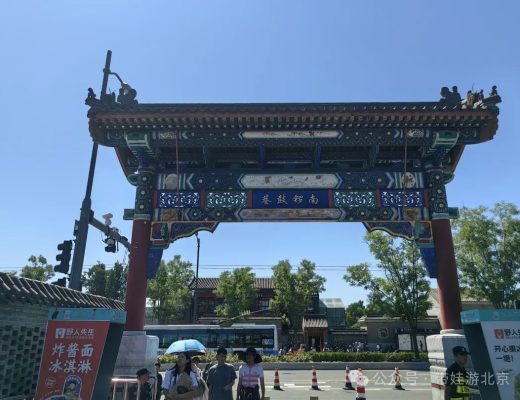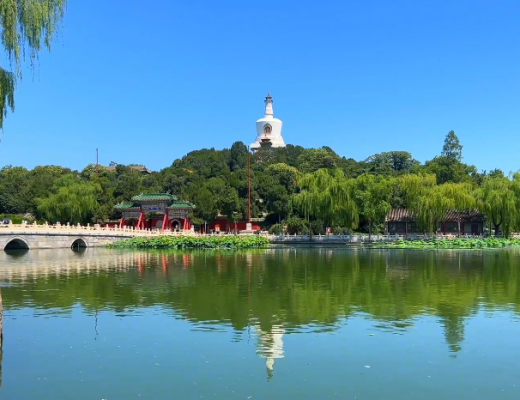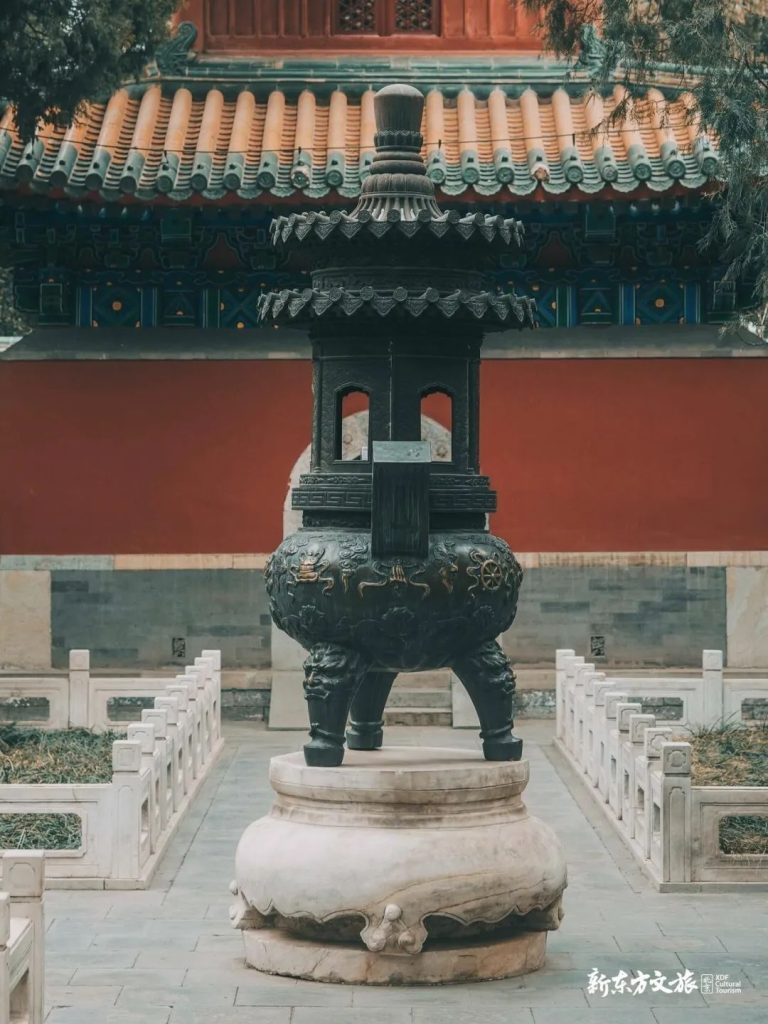
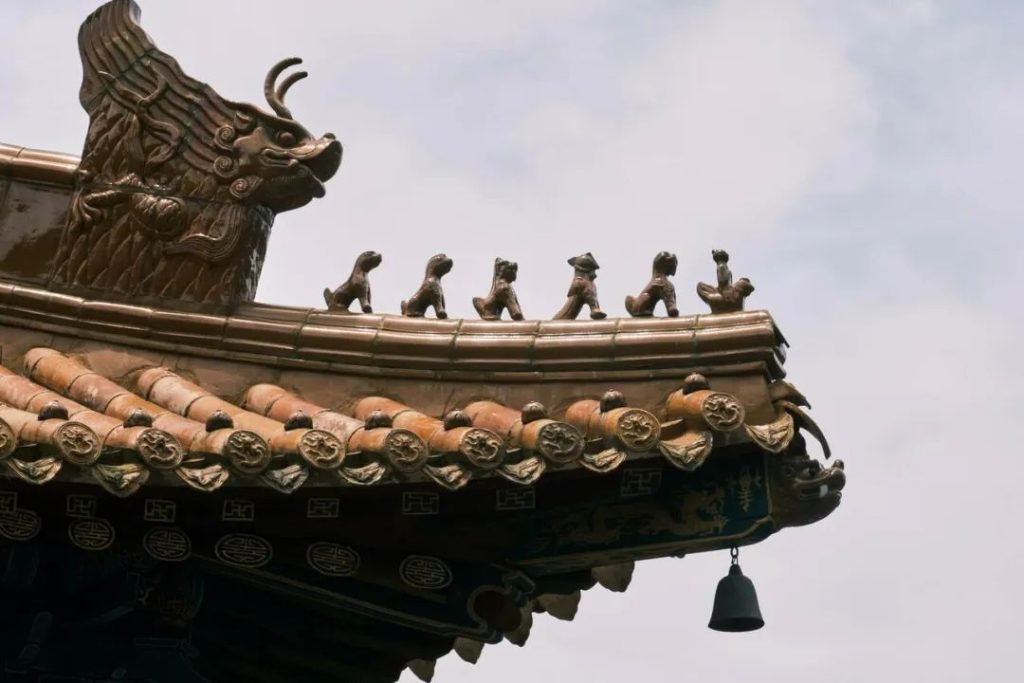
In the bustling center of Beijing, there is a place of tranquility and blessings—the Yonghe Temple. Walking through it, the vermilion walls and bluestone paths complement each other, while the upturned eaves and flying corners harmonize beautifully with the blue sky and white clouds. Every brick, every tile, every tree, and every blade of grass here tells a story from history.
In my memory, burning incense and praying seemed like something only the older generation would do, but now more and more young people are joining in. They come here with sincere hearts, hoping to pour out their thoughts and find the best solution for themselves.
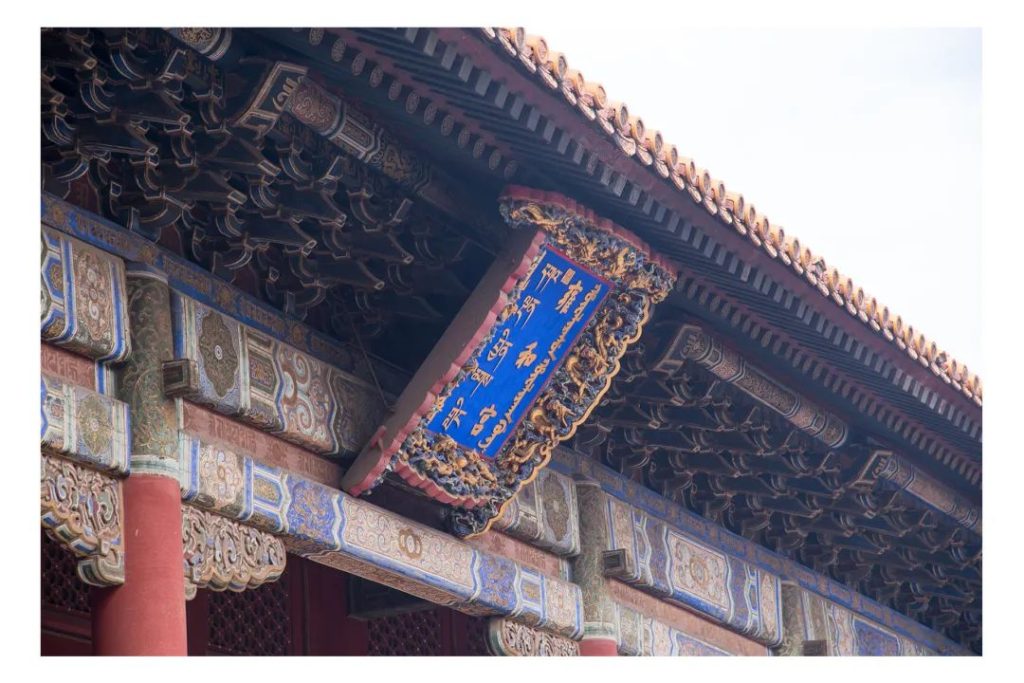
Attraction Introduction
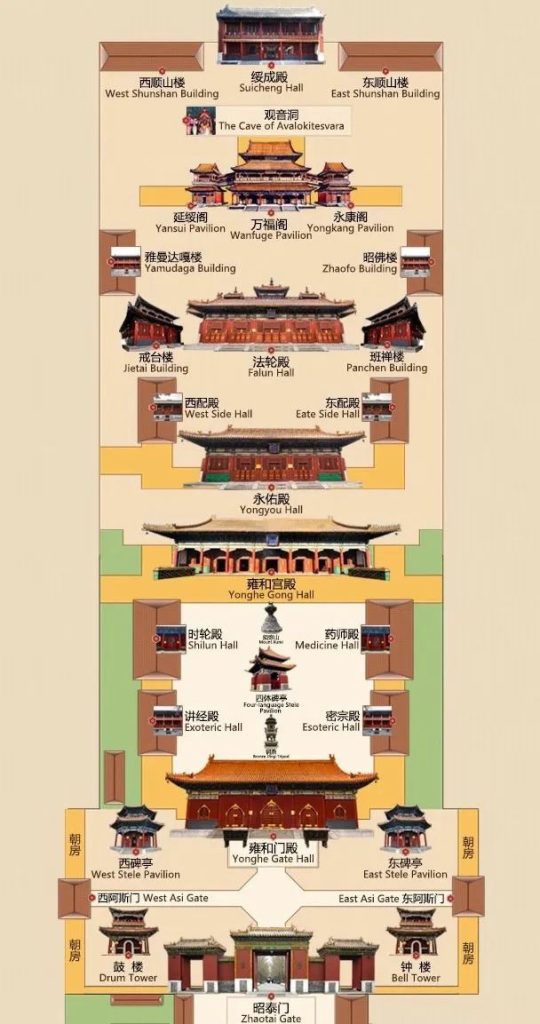
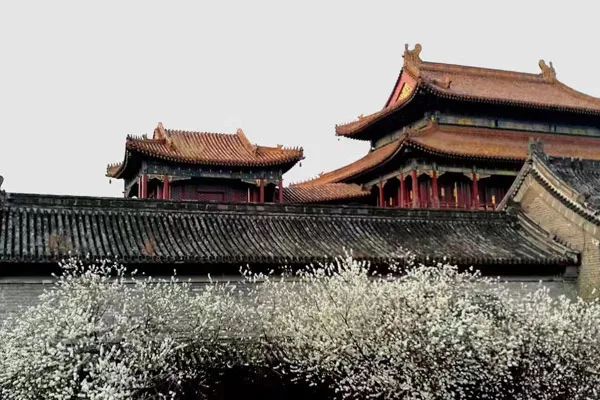
The Yonghe Temple is the highest-standard Buddhist temple in China during the mid-to-late Qing Dynasty and has a history of more than 300 years. The formation of its architectural complex went through three stages: it first served as the “residence before accession” for the emperors of the Yongzheng and Qianlong reigns, later it was elevated to an imperial palace, and eventually it was converted into a royal temple. The overall architectural layout is complete, following the traditional Buddhist monastic design, and fully displays the majesty of the imperial style.
Main Hall Introduction
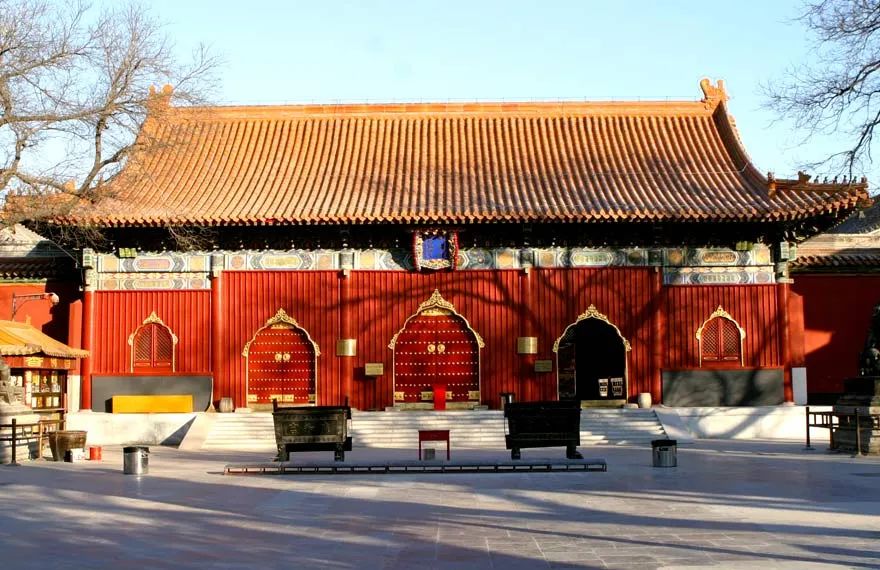
·Yonghe Gate Hall - Smooth Sailing and Good Fortune
Originally the main gate of the Prince Yong Mansion, it was converted into the Heavenly Kings Hall after the temple's establishment in the ninth year of Emperor Qianlong's reign, hence named “Yonghe Gate Hall.” The central altar enshrines the Baguazhang Monk, flanked by statues of the Four Heavenly Kings. Visitors primarily come here to pray for smooth sailing in life, good fortune, and lasting peace.
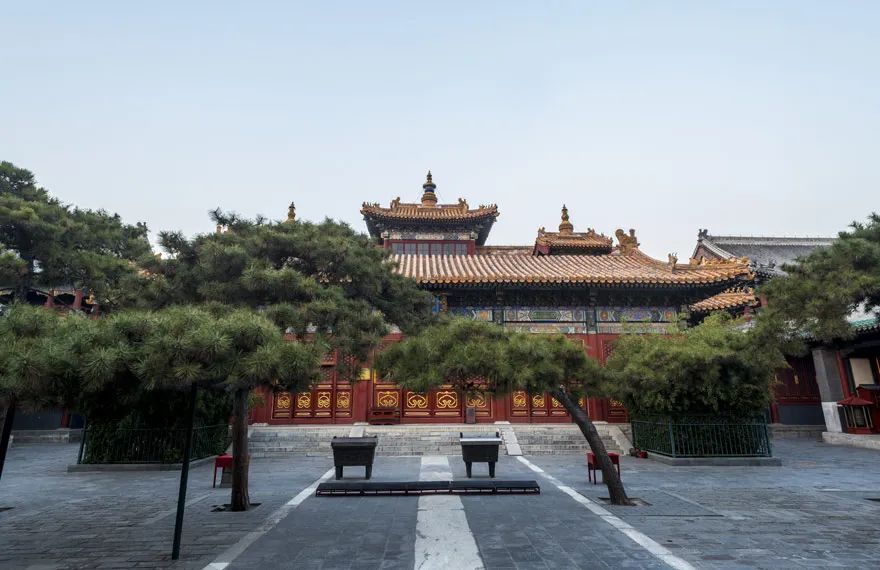
·Dharma Wheel Hall - Career
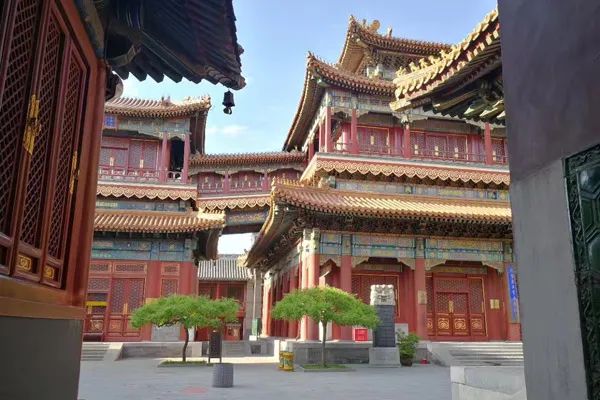
This hall features five skylights at its apex, each crowned with a gilded finial, showcasing the distinctive architectural style of Tibetan Buddhist monasteries. The Dharma Wheel Hall is a place to pray for career success and seek blessings and protection.
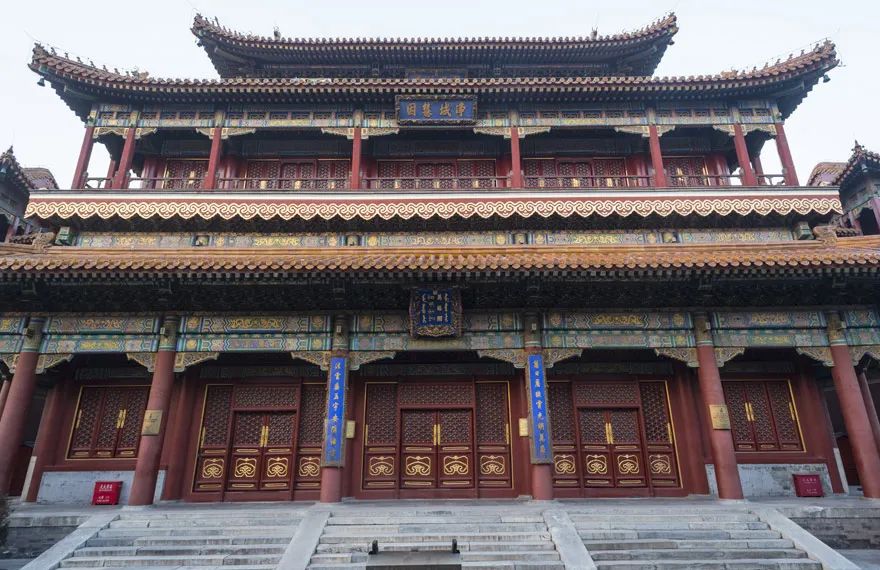
·Ten Thousand Blessings Pavilion - Peaceful Fortune/Marriage and Children
During its founding, the pavilion housed nearly ten thousand clay Buddha statues. Its name “Ten Thousand Blessings Pavilion” stems from the homophonic resemblance between ‘Buddha’ (佛) and “blessing” (福). The main hall enshrines an 18-meter-tall Maitreya Bodhisattva statue, safeguarding peace and fortune. The rear hall, originally the inner sanctuary of the Guanyin Hall within the Prince Yong's Mansion, protects marital harmony and offspring.
Recommended Route
·Main Halls
Yonghe Gate Hall (Good Fortune) — Yonghe Palace Hall (Wealth) — Yongyou Hall (Exorcism) — Dharma Wheel Hall (Career) — Wanfu Pavilion (Main Hall: Peace & Fortune; Rear Hall: Marriage & Children) — Guanyin Cave (Marriage & Children) — Suicheng Hall (Auspiciousness)
· Left Wing
Sutra Hall (Peace) — Kalachakra Hall (Fortune Transformation) — West Annex Hall (Academic Success)
· Right Wing
Esoteric Buddhism Hall (Peace) — Medicine Buddha Hall (Health) — East Annex Hall (Wealth)
Reservation Guide
Yonghe Temple sells tickets through both on-site windows and online channels.
Ticket Prices: Full-price ticket: 25 RMB (Half-price ticket: 12 RMB)
Ticket Reservations:Trip
Visiting Hours
· Summer and Autumn Season (April 1 - October 31)
9:00 AM - 5:00 PM (Last admission at 4:30 PM, grounds close at 5:00 PM)
· Winter and Spring Season (November 1 - March 31)
9:00 AM - 4:30 PM (Last admission at 4:00 PM, grounds close at 4:30 PM)
Reservation Guidelines
· Free Admission Policy
① Children aged 6 or younger (inclusive) or under 1.2 meters (inclusive) in height may enter free of charge with valid identification.
② Persons with disabilities may enter free of charge with a valid second-generation disability certificate issued by the Disabled Persons' Federation (Disabled military personnel, disabled police officers, and disabled fire and rescue personnel may enter free of charge with valid certificates).
③ Retired cadres may enter free of charge with their retirement certificate.
④ Active-duty military personnel, veterans, and civilian military personnel may enter free of charge with valid identification. Dependents of martyrs of the People's Republic of China, military personnel who died in the line of duty, or military personnel who died of illness may enter free of charge with their dependent preferential treatment certificate.
⑤ On August 1st (Army Day), family members of active-duty military personnel may enter free of charge with valid supporting documentation.
⑥ Active-duty and retired fire and rescue personnel, as well as students of fire and rescue academies, may enter free of charge with valid credentials.
⑦ Individuals holding a “Civil Affairs Preferential Card” or “Temporary Civil Affairs Preferential Card” issued by the Beijing Municipal Civil Affairs Bureau may enter free of charge.
· Half-Price Admission Policy
① Minors aged 6 to 18 (inclusive) enrolled in full-time undergraduate programs or below (excluding graduate students, part-time adult education, night school, correspondence courses, etc.) receive half-price admission with a valid student ID or other valid documentation.
② Seniors aged 60 or older may purchase tickets at half price upon presentation of a senior citizen ID card, ID card, or other valid documentation.
③ Individuals holding a Beijing Social Security Benefit Recipient Card may purchase tickets at half price (present original card for verification at any ticket window).
Transportation Information
📍Address: No. 28 Yonghegong Street, Dongcheng District
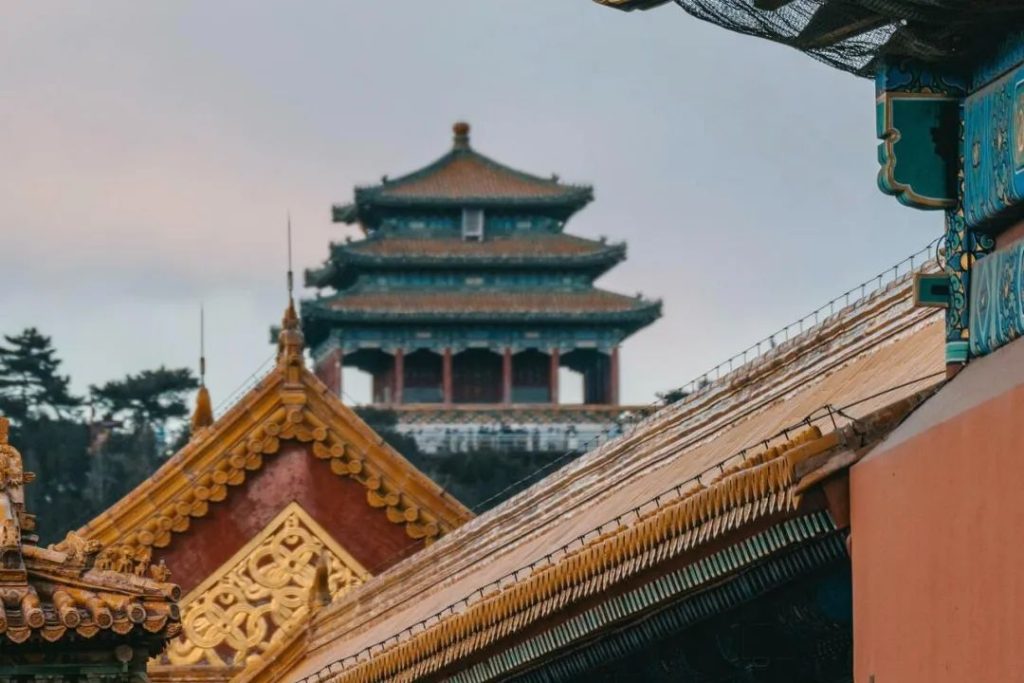
🚇Subway: Take Line 5 or the inner loop of Line 2 to Yonghegong Station. Exit via Exit F (Southeast) and walk approximately 5 minutes to arrive.
🚌 Bus:
① Take Bus No. 13 or 84 to Guozijian Bus Stop. Walk for about 1 minute.
② Take Bus No. 13, 84, 116, or 117 to Yonghegong Bus Stop. Walk for about 5 minutes.
③ Take Bus No. 18, 44 Inner Loop, 44 Outer Loop, 75, 142, or 200 Inner Loop to Yonghegong Bridge East Bus Stop. Walk for about 9 minutes to arrive.
Nearby Dining
·Fudai'er·Eating
📍Location: No. 29, Wudaoying Hutong, Dongcheng District
🏃Distance: Approx. 290 meters, 3-minute walk
💳Price: Around ¥99 per person
🍜Recommended: Almond Tofu, Four Delights Mini Meatballs, Spicy Stir-fried Pork Neck Strips
· Baye Shuanrou (Guijie · Yonghegong Branch)
📍Location: 241-243 Dongnei Street, Dongcheng District
🏃Distance: Approx. 700 meters, 7-min walk
💳Price: 119 RMB per person
🍜Recommended: Shuan Lamb, Eight Treasures Platter, Beijing-Style Stir-fried Beef Tripe
·Suzuki Shokudo (Beixinqiao Branch)
📍Location: 288-29 Dongnei Street, Dongcheng District
🏃Distance: Approx. 760 meters, 7-min walk
💳Price: 95 RMB per person
🍜Recommended: Japanese-style beef hotpot, Suzuki meat patties, Japanese-style fried chicken chunks
Nearby Attractions
· Wudaoying Hutong
📍Location: West Gate, No. 67 Wudaoying Hutong, Andingmen, Dongcheng District
🏃Distance: Approx. 380 meters, 4-minute walk
🕰️Hours: Open daily
🎫Admission: Free
· Confucius Temple and Imperial Academy Museum
📍Location: No. 15 Guozijian Street, Dongcheng District
🏃Distance: Approx. 446 meters, 5-minute walk
🕰️Hours: 9:00 AM–5:00 PM (last entry at 4:30 PM) Closed Mondays
🎫Admission: Full price ¥30/person, Half price ¥15/person
·Ditan Park
📍Location: Ditan Park, Andingmenwai Avenue, Dongcheng District
🏃Distance: Approximately 760 meters, about a 7-minute walk
🕰️Hours: 6:00 AM–9:30 PM (last entry at 8:00 PM) Closed Mondays
🎫 Admission: Full price 2/person, Half price 1/person
Helpful Tips
① Yonghe Temple has 3 souvenir shops: one west of the ticket gate, and two others located left of Zhaotai Gate and right of the Great Buddha Hall.
② The Yonghe Temple Visitor Service Center is located east of the Yonghe Gate Hall courtyard (behind the East Octagonal Stele Pavilion). It provides facilities including water dispensers, first-aid kits, wheelchairs, walking frames, and umbrellas for visitor convenience.
③ As Yonghe Temple is a religious site, visitors are required to dress appropriately and modestly during their visit. Please remove hats and avoid wearing overly revealing or brightly colored clothing.
④ Guidelines for Worship and Sightseeing at Yonghe Temple: Pay respects to the Buddha, Dharma, and Sangha; three sticks of incense are appropriate. Do not burn incense, take photos, or film inside the halls. Incense burning will be suspended during high winds; please offer incense instead. Smoking is prohibited within the temple grounds. Respect the temple's cultural relics and maintain environmental hygiene.