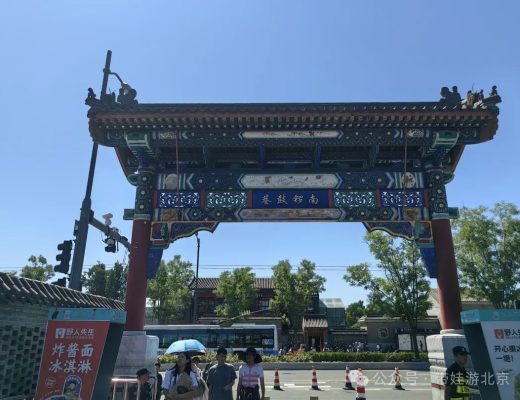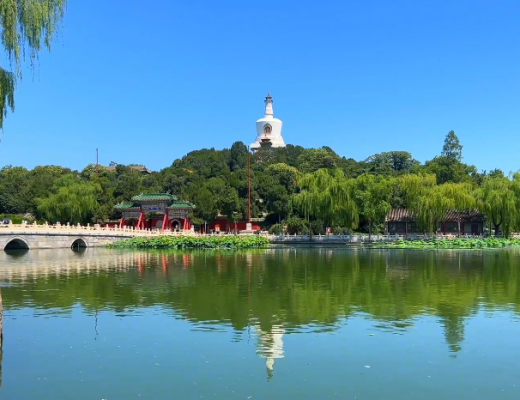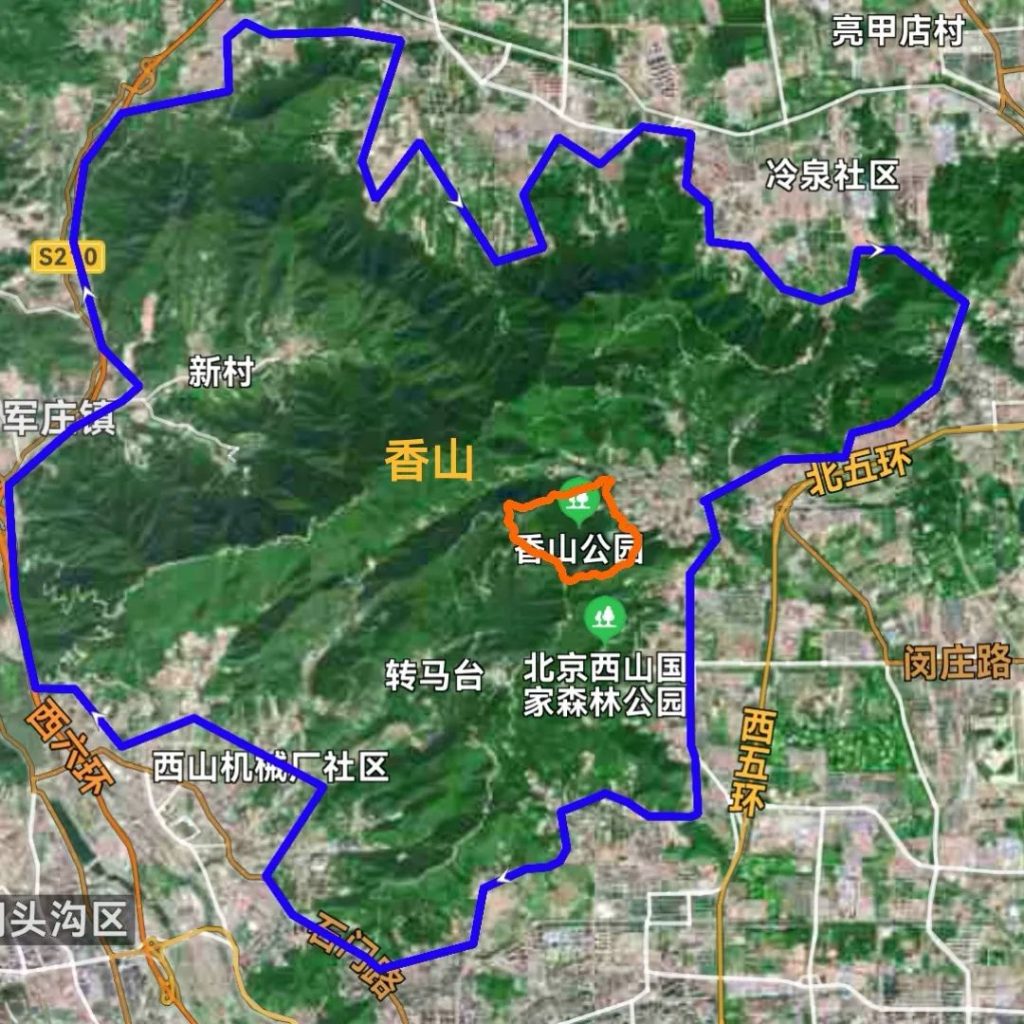
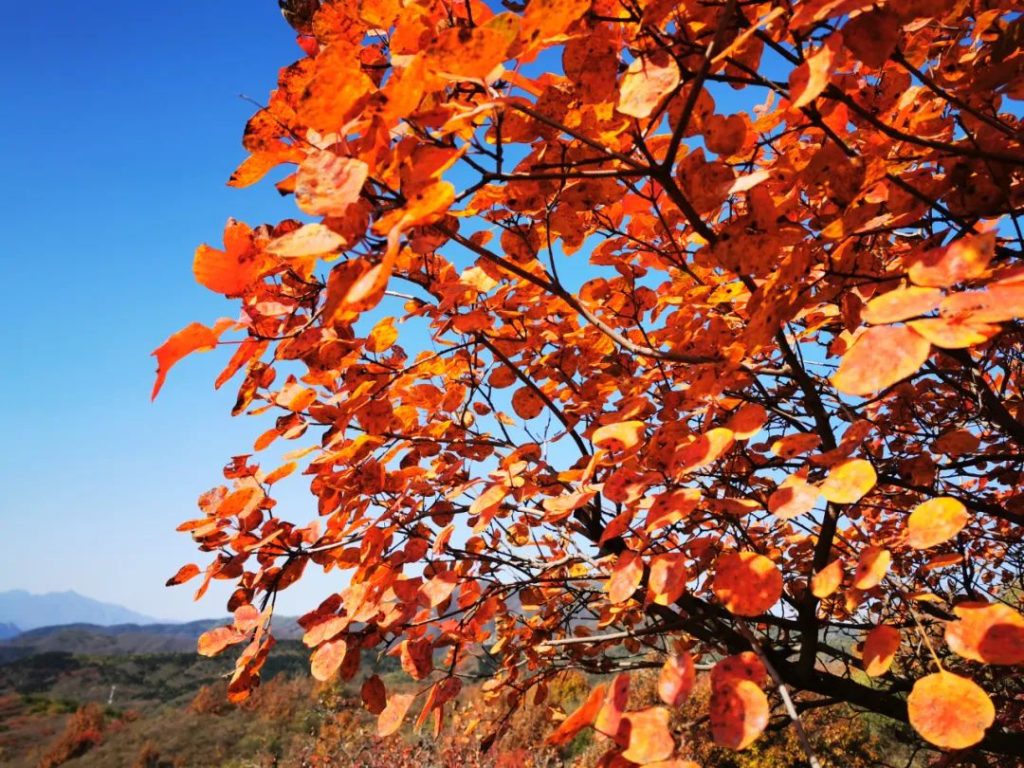
The crimson foliage of Fragrant Hills has become a renowned autumn spectacle both domestically and internationally. Each fall, large numbers of tourists and Beijing residents flock to Fragrant Hills to climb the hills and admire the autumn scenery. Located in the northwest of Beijing, Fragrant Hills encompasses both broad and narrow geographical interpretations. Broadly speaking, Fragrant Hills refers to the mountainous area between the Fifth and Sixth Ring Roads in the northwest. Narrowly defined, Fragrant Hills refers solely to Fragrant Hills Park.
Introduction to Fragrant Hills Park
Fragrant Hills Park, also known as Jingyi Garden, was first established in the 26th year of the Dading era of the Jin Dynasty, boasting nearly 900 years of history. It is an imperial garden renowned for its mountainous and forested landscapes. Spanning 188 hectares, the park features rugged terrain and lush, undulating landscapes. At the summit of its main peak stands a massive rock formation resembling an incense burner. At dawn and dusk, mist swirls around it, creating the illusion of rising incense smoke from within the burner—thus earning the mountain its name, Incense Burner Mountain, commonly shortened to Fragrant Hills. Standing at 575 meters above sea level, Xianglu Peak is notoriously steep and challenging to climb, earning it the colloquial name “Ghost-Fearing Peak.”
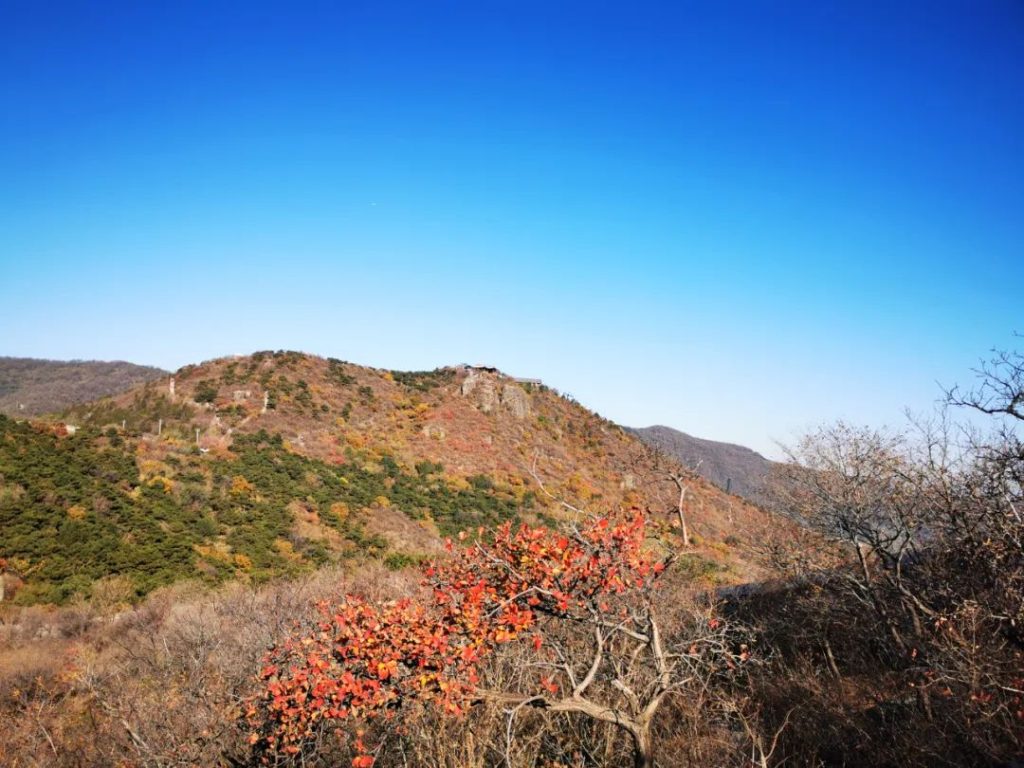
Among the renowned “Three Mountains and Five Gardens” of the Qing Dynasty, one mountain and one garden is the Jingyi Garden at Fragrant Hills. Jingyi Garden once featured twenty-eight scenic spots: Hall of Diligent Governance, Pavilion of Lovely Views, Green Cloud Boat, Hall of Serene Clarity, Rock of Jade Ornaments, Pavilion of Emerald Depths, Evergreen Grove, Tame Deer Slope, Toad Peak, Cloud-Resting Tower, Pond of Knowing Joy, Fragrant Hills Temple, Pine of Listening to Dharma, Pavilion of Emerging Green, Lieshuangni, Xiangyan Room, Xiaobiao Steps, Yuyu Spring, Xianqiu Forest, Yuxiang Pavilion, Furong Terrace, Xiyang Hill, Qiyue Cliff, Chongcui Ravine, Xiangwu Cave, Yuhua Peak, Senyu Tablet, and Geyun Bell.
Address: Biyunsi Road, Haidian District, Beijing, China(map)
Official Website:http://www.xiangshan-park.cn/cn/
Further Reading:[Beijing Free Travel Guide] Must-Visit Attractions, Accommodation, Food, and Costs
Best Time to Visit Fragrant Hills Park
The foliage at Fragrant Hills typically reaches its most spectacular colors after the first frost in October. The prime viewing period is from late October to early November.
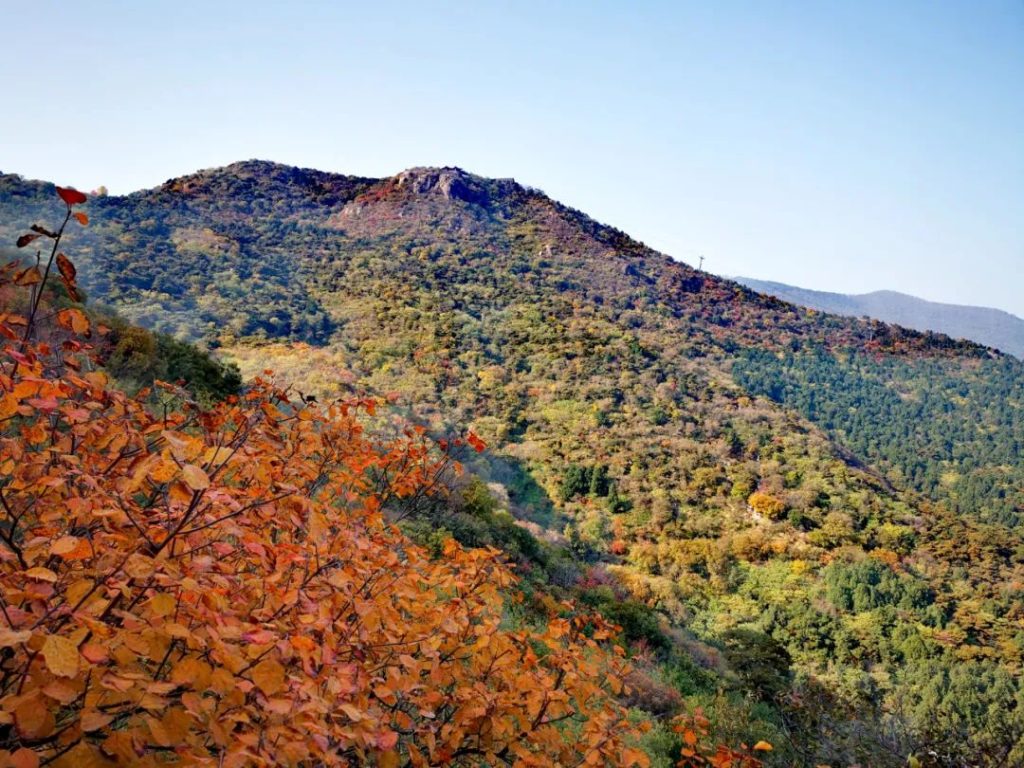
The main area of Fragrant Hills Park is on the sunny eastern side, so the best time to view the autumn foliage is on a clear morning, no later than 2:00 PM. After that, insufficient light may affect your viewing experience.
Getting to Fragrant Hills Park
You can reach Fragrant Hills by bus, private car/taxi, or bicycle.
1. Public Transportation
Take bus routes 563, 932, or the West Suburban Line to Xiangshan Station. Alternatively, take buses 318, 360, 360 Express, 505, or 698 to the Southwest Gate of the National Botanical Garden. From there, walk west along Xiangshan South Road and Yikesi Song Road for approximately 1 kilometer to reach the East or North Gate of Xiangshan Park.
2. Driving
Xiangshan Park has parking lots at its East and North Gates, though fees are relatively high and finding a spot after 8:00 PM can be difficult. Traffic restrictions are enforced during statutory holidays and the Autumn Foliage Festival, so driving is not recommended.
3. Cycling
Fragrant Hills is relatively close to the city center, making cycling a viable option. If using shared bikes, note that Fragrant Hills lies outside the operational area. Additionally, traffic restrictions apply on weekends and holidays. It is recommended to park your bike near the Xiangquan Roundabout within the Fifth Ring Road.
Fragrant Hills Park Autumn Viewing Route
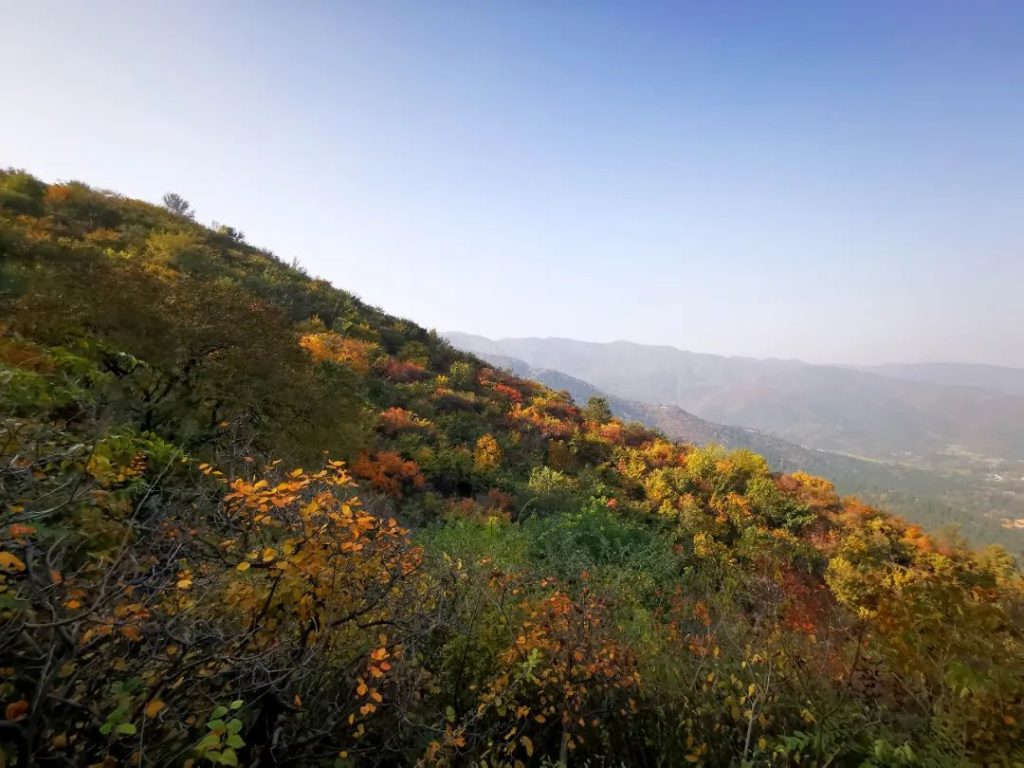
When it comes to Fragrant Hills' autumn foliage, many visitors find their excitement quickly dampened. Arriving full of anticipation, they discover crowds everywhere and scarcely any red leaves to be seen. First, this stems from a common misconception about the park's foliage. While Fragrant Hills Park does feature autumn colors, the most spectacular displays lie beyond the park's boundaries, across the vast mountain wilderness. Second, the root cause often lies in choosing the wrong route. Upon entering Fragrant Hills Park, many visitors head straight for Incense Burner Peak. With only a handful of main hiking trails, it's nearly impossible to avoid the tidal wave of crowds.
In reality, the park's autumn foliage is concentrated in the southern area. There's no need to struggle up the crowded Xianglu Peak. A more ideal viewing route follows two southern mountain trails. Recommended itinerary: East Gate/North Gate → Qinzheng Hall → Shuangqing Villa → Xiangshan Temple → Hongguang Temple Ruins → Southern Mountain Trail → Qingwulei -Jingcui Lake - East Gate/North Gate.
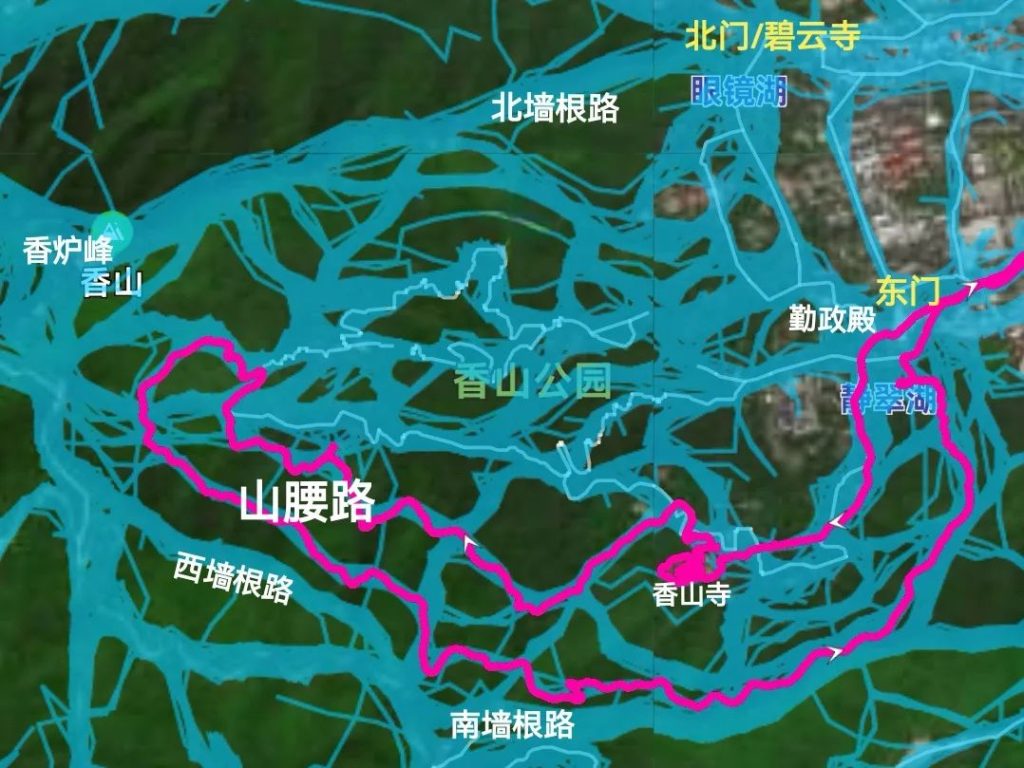
This route not only sees fewer visitors but also offers expansive views, allowing you to admire the mountains blanketed in autumn foliage from various angles. Along the way, you'll encounter numerous cultural landmarks worth visiting, including the Hall of Diligent Governance, Shuangqing Villa, Xiangshan Temple, Qing Weilao, and Jingcui Lake. Here, ancient cultural relics harmoniously complement the natural autumn scenery—truly the quintessential Xiangshan autumn experience.
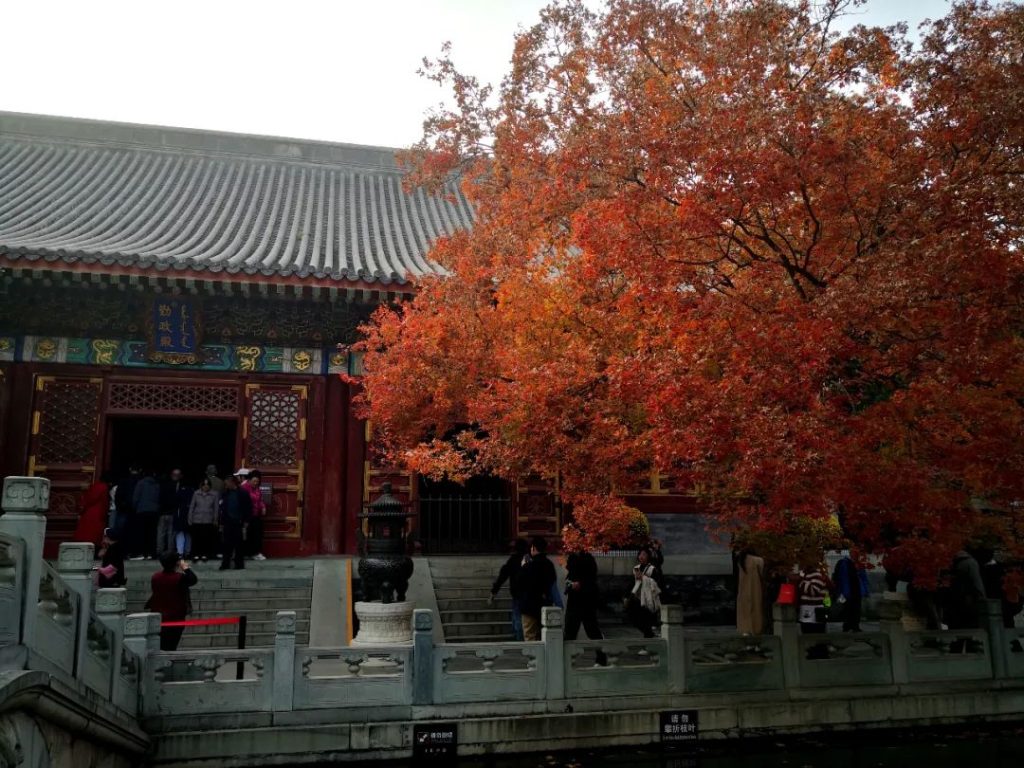
1. Hall of Diligent Government. Originally built in the 10th year of Emperor Qianlong's reign (1745), this hall served as the Qing emperors' venue for handling state affairs and receiving court ministers during their stays at Jingyi Garden in Fragrant Hills. It was the first of the garden's Twenty-Eight Scenic Views. The hall was destroyed by the Anglo-French Allied Forces in the 10th year of Emperor Xianfeng's reign (1860), leaving only its foundation. The park reconstructed the hall on its original site in 2002, completing the project in July 2003. As the most iconic imperial structure in Fragrant Hills Park, Qinzheng Hall bears an imperial plaque personally inscribed by Emperor Qianlong.
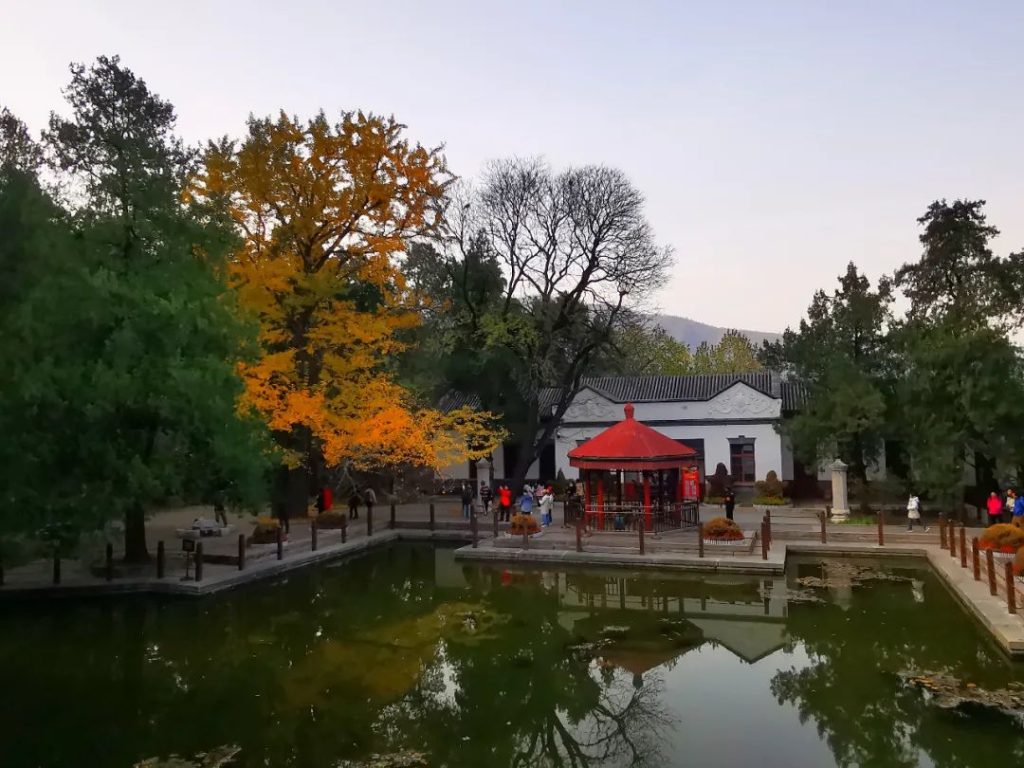
2. Shuangqing Villa. Nestled on the southern slopes of Fragrant Hills, the name “Shuangqing” was bestowed by Emperor Qianlong of the Qing Dynasty in reference to the two clear springs within its grounds. In 1920, educator Xiong Xiling established the “Orphanage for Compassionate Care” on Fragrant Hills, converting this site into his private residence and renaming it Shuangqing Villa.
3. Xiangshan Temple. Located above Shuangqing Villa, it was first built in the 26th year of the Dading era of the Jin Dynasty. Formerly known as Yong'an Temple and also called Ganlu Temple, it was originally the largest and most historically significant temple in the Western Hills area. It served as the Perfume Water Monastery among the Eight Great Water Monasteries of the Western Hills (the other seven being Sacred Water Monastery, Golden Water Monastery, Clear Water Monastery, Tanshuiyuan, Quanshuiyuan, Shuangshuiyuan, and Lingshuiyuan—the eight imperial retreats constructed by Emperor Zhangzong of Jin, Wanyan Jing. Given the region's abundant water sources, all were named after water elements, hence the collective designation “Eight Great Water Monasteries of the Western Hills.” It underwent expansions and repairs during the Yuan, Ming, and Qing dynasties. This ancient temple, of immense cultural and artistic value, was twice looted by the Anglo-French Allied Forces and the Eight-Nation Alliance, leaving only the stone screen, stone archway pillars, stone steps, and stone bases before the main hall intact. Only the temple's Shorea tree song stele, Dharma-listening pine, and the Zhilè moat before the temple remain well-preserved. Stone Screen Carvings: East side: The Diamond Sutra in the center; the Heart Sutra on the left; the Guanyin Sutra on the right. West side: Emperor Qianlong's calligraphy depicting the Ancient Buddha of the Lamp, Guanyin, and Puxian, accompanied by imperial praise. The stone screen couplet reads: “Wisdom's realm shines bright, perfecting the six paramitas; Heart-lotus fragrance drifts far, expounding the three vehicles.”
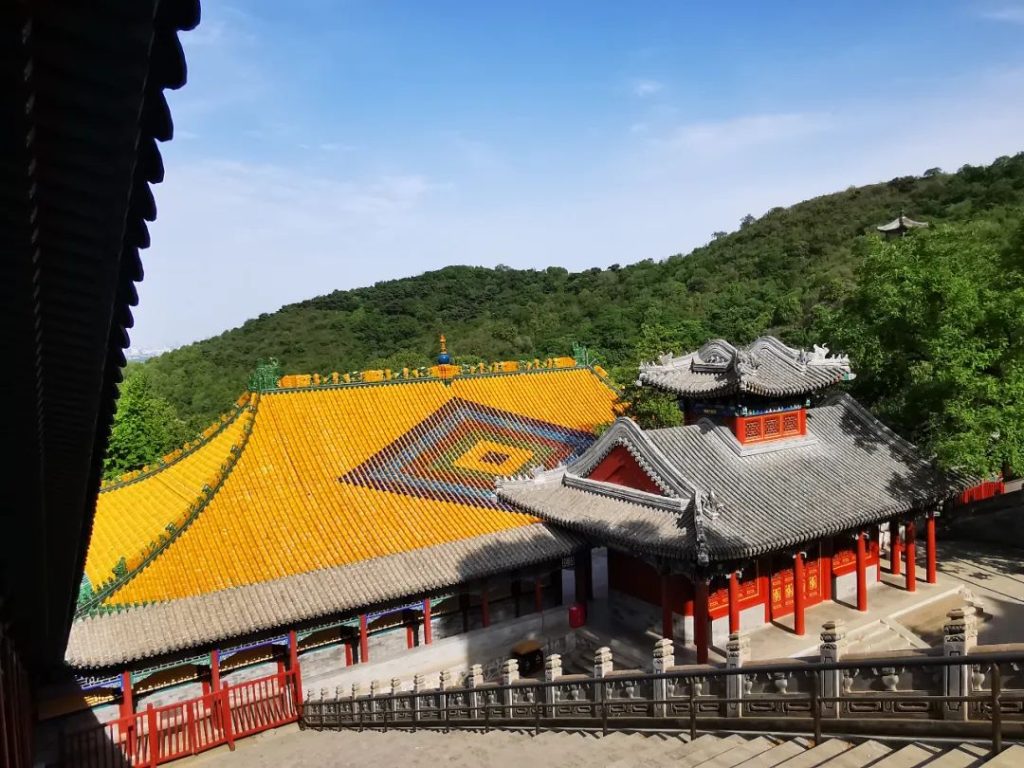
4. Qing Weilao Pavilion. Perched on the eastern slope of the park, Qing Weilao Pavilion offers an unparalleled vista, taking in the entire Xiangshan Park. From Qing Weilao, one can gaze upon Xiangshan Temple nestled halfway up the mountain. Its curved walls and elevated halls blend seamlessly, resembling a seated Buddha statue. To the north, the glazed pagoda appears particularly exquisite amidst the surrounding peaks, while the distant Xianglu Peak evokes a sense of towering, unreachable grandeur.
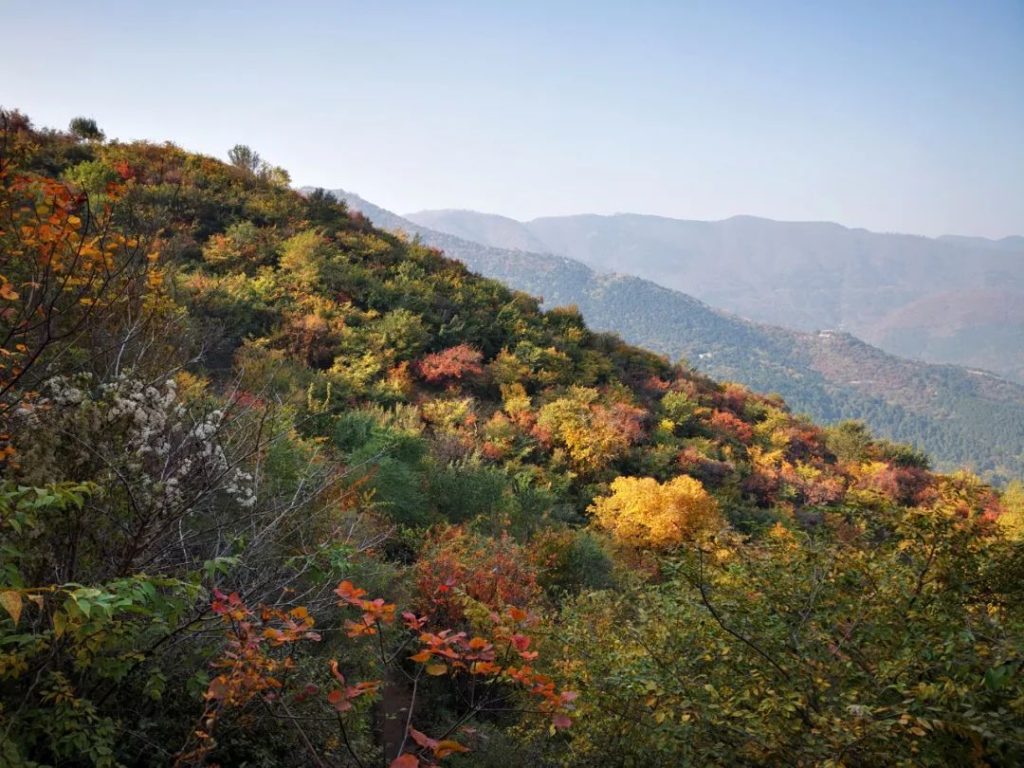
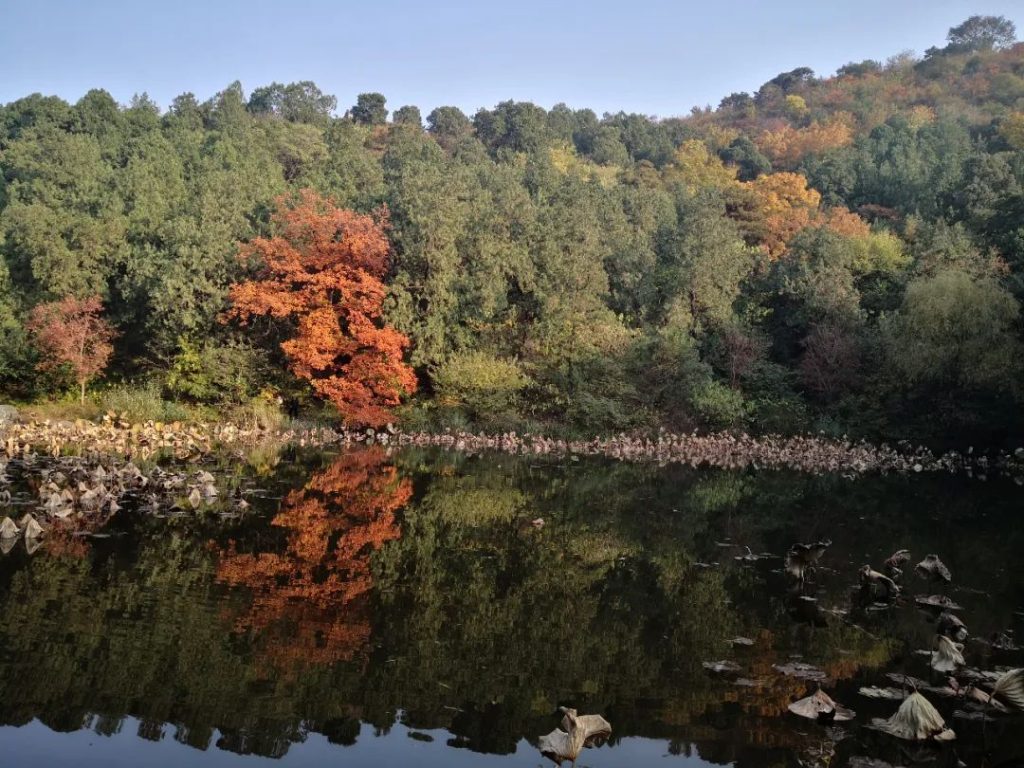
5. Jingcui Lake. Located south of the East Gate and Hall of Diligent Government, the lake features the Cuiwei Pavilion, one of the Twenty-Eight Scenic Views of Jingyi Garden. Constructed in the 10th year of the Qianlong reign (1745), it earned the name “Cuiwei” (Emerald Depths) for its setting amidst ancient trees, verdant shade, ravines, and rocky cliffs, while also bordering renowned sites like Laiqing Pavilion, Toad Peak, and Qingyin Pavilion. Ancient trees stand densely here. Emperor Qianlong once depicted this scene: “As summer arrives, thousands of green branches provide shade, with birdsong echoing above and below.”
Provisions for Fragrant Hills Park
The prices at the snack bars within Fragrant Hills Park are relatively high. Hiking consumes significant energy, so it is recommended to prepare trail snacks and drinking water in advance before entering the park.
Important Notes
1. After autumn begins, temperatures drop in the mornings and evenings, so dress warmly.
2. Full-price tickets for Fragrant Hills Park are 10 yuan, and the Beijing Park Annual Pass is accepted. During the Red Leaf Festival, large crowds at Fragrant Hills can cause traffic congestion. Plan your visit time in advance—consider arriving early and leaving late. [Ticket Reservations]
3. For autumn viewing, choose sunny days whenever possible to capture better photos.
4. Fragrant Hills Park is mountainous terrain; wear sneakers or hiking boots for comfort.
Fragrant Hills Park Quick Guide